
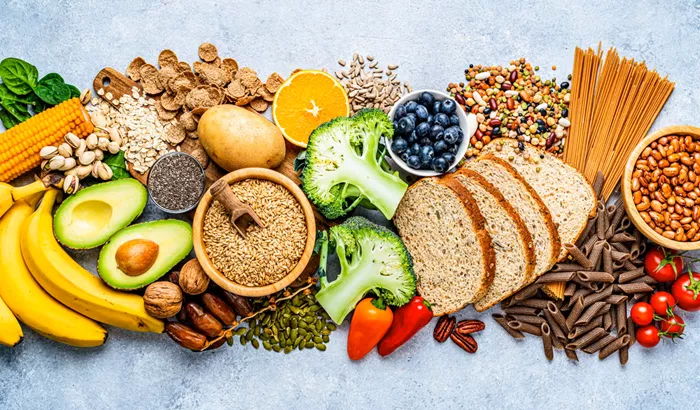
In the growing wellness trend known as “fibermaxxing,” people are loading their diets with fiber-rich foods to enhance digestion, manage appetite, and improve overall gut health. While fiber’s health benefits are well-established, experts warn there’s a correct way to increase fiber intake to avoid uncomfortable digestive issues.
What Is Fibermaxxing?
Fibermaxxing involves intentionally maximizing fiber consumption by incorporating fiber-rich foods and supplements into every meal and snack. This trend emphasizes digestive health, blood sugar control, cholesterol management, and even cancer prevention. It signals a shift from protein-heavy diets toward focusing on gut and colon well-being.
However, nutrition specialists like Jennifer House, a registered dietitian from Calgary, caution that people with digestive disorders such as IBS or inflammatory bowel diseases should approach fibermaxxing carefully, as sudden fiber increases may worsen symptoms or constipation.
How Much Fiber Do You Need?
Recommended fiber intake varies by age and gender: women aged 18-50 should aim for about 25 grams daily, dropping slightly to 21 grams after 51; men should consume around 30 grams per day. Unfortunately, most Americans consume only about half these amounts.
Fiber is exclusively found in plant-based foods—vegetables, fruits, legumes, whole grains, nuts, and seeds—with legumes offering the richest source. For example, one cup of beans can provide 10 to 19 grams of fiber, covering more than half of daily needs. Animal products contain no fiber, so diets high in meat and dairy may fall short.
Health Benefits of Fiber
Fiber supports smooth digestion, helps regulate blood sugar and cholesterol, and promotes fullness that can aid weight control. Studies link higher fiber intake to lower risks of heart disease, type 2 diabetes, and some cancers like colorectal cancer. Low-fiber diets may disrupt the gut microbiome and increase inflammation risk.
There are different types of fiber:
Soluble fiber dissolves in water, forming a gel that slows digestion, helping stabilize blood sugar and lower cholesterol. Found in oats, apples, and beans, it is especially beneficial for diabetes and heart health.
Insoluble fiber adds bulk to stool and promotes regular bowel movements, preventing constipation. It’s found in whole grains, vegetable skins, and nuts.
Prebiotic fiber feeds beneficial gut bacteria, which produce anti-inflammatory compounds and support gut barrier health. Foods like garlic, onions, bananas, and asparagus are rich sources.
Eating a variety of fiber types supports a diverse, healthy gut microbiome, improving immunity and reducing inflammation.
Fibermaxxing Done Wrong Can Backfire
Rapidly increasing fiber can cause gas, bloating, cramps, constipation, or diarrhea because gut bacteria ramp up fermentation quickly. Without adequate hydration, excessive fiber might even lead to dangerous intestinal blockages in rare cases.
Soluble fiber tends to cause more gas due to fermentation, while insoluble fiber can lead to bloating and cramps if increased too quickly without enough water.
Too much fiber may also reduce overall food intake—potentially leading to unintended weight loss or nutrient deficiencies—and interfere with mineral absorption such as iron, zinc, and calcium.
Hydration Is Key
Water intake must increase alongside fiber to support its benefits. Soluble fiber needs water to form gels that regulate blood sugar and cholesterol, and insoluble fiber requires water to bulk up stool and aid digestion. Experts recommend drinking at least eight to ten cups of water daily, more if physically active or in warm climates.
How to Safely Increase Fiber Intake
Experts advise gradually adding 3 to 5 grams of fiber per week rather than making large jumps. Spreading fiber intake evenly throughout the day—such as oatmeal with berries in the morning, legumes and vegetables at lunch and dinner, and fiber-rich snacks like fruit with nuts—helps your body adjust and encourages sustainable habits.
Whole foods remain the best source of fiber, providing essential vitamins, minerals, and plant compounds beyond what supplements can offer. Fiber supplements can be helpful if meeting fiber needs through diet is difficult, but they should complement—not replace—whole food intake.
Read more:
