
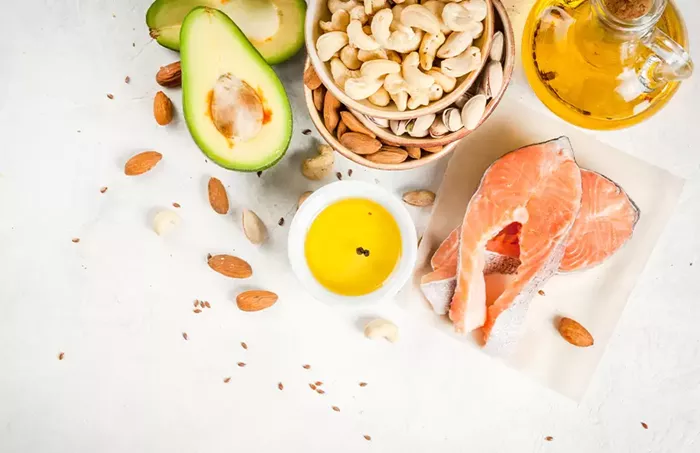
Seminal fluid—often simply referred to as semen—is more than just a medium for sperm. It plays a vital role in fertility, sexual health, and overall male vitality. Semen helps protect and transport sperm, provides nutrients, and ensures a healthier reproductive environment. The quality and quantity of seminal fluid can be influenced by various factors, but one of the most effective and natural ways to improve it is through diet.
The Role of Nutrition in Seminal Health
What you eat directly impacts your reproductive system. Nutrient-rich foods help regulate hormones, support prostate function, reduce inflammation, and enhance the body’s ability to produce seminal fluid. Men who consume a balanced diet filled with certain vitamins, minerals, and antioxidants often report increased volume, better sperm motility, and improved overall sexual performance.
Top 10 Foods That Boost Seminal Fluid Production
1. Oysters and Shellfish
Oysters are famously rich in zinc, a key mineral for testosterone production and sperm volume. Zinc deficiency is linked to low semen output and reduced libido. Including oysters or crab in your weekly meals can provide a healthy boost.
2. Pumpkin Seeds
Pumpkin seeds are another excellent source of zinc, as well as magnesium and omega-3 fatty acids. These nutrients work together to support prostate health and seminal fluid production.
3. Walnuts
Walnuts are packed with omega-3 fatty acids and arginine, an amino acid that helps increase nitric oxide levels. This enhances blood flow to reproductive organs and promotes greater semen output.
4. Eggs
Eggs are high in vitamin E and protein, both of which support sperm motility and production. They also contain vitamin B12, which helps with the formation of semen and sperm DNA integrity.
5. Spinach and Leafy Greens
Rich in folate, spinach plays a crucial role in semen production and sperm health. A folate deficiency can lead to lower sperm count and poor morphology. Kale, Swiss chard, and romaine lettuce are also good options.
6. Dark Chocolate
Dark chocolate contains L-arginine, which helps in increasing semen volume. It also has antioxidants that protect sperm from oxidative stress.
7. Bananas
Bananas contain bromelain, an enzyme believed to increase libido and testosterone. They also have high levels of vitamin C and B vitamins, which help with sperm production.
8. Asparagus
Loaded with vitamin C, asparagus helps protect sperm from damage caused by free radicals. It’s also known to improve sperm motility and count.
9. Maca Root
This Peruvian superfood has gained global attention for its impact on libido and sperm quality. Maca is rich in amino acids, vitamins, and minerals that nourish the endocrine system and improve seminal fluid.
10. Garlic
Garlic is a natural booster of blood flow due to its allicin content, which enhances circulation to the testes. It also contains selenium, which aids sperm motility.
Hydration and Fluid Intake Matter
Don’t overlook water intake. Seminal fluid is largely made up of water, so staying well-hydrated is essential. Aim for at least 8–10 glasses of water per day. Dehydration can lead to lower semen volume and thicker consistency, which may reduce fertility.
What to Limit or Avoid
1. Alcohol
Excessive alcohol can lower testosterone levels and reduce sperm count. It also depletes essential nutrients needed for semen production.
2. Caffeine
Moderate caffeine is fine, but overconsumption may lead to dehydration and hinder seminal volume.
3. Processed Foods and Trans Fats
Highly processed snacks and trans fats can reduce sperm quality and lead to hormonal imbalances that affect seminal fluid.
4. Soy Products
Soy contains phytoestrogens, which may interfere with testosterone and sperm production in high amounts. Limit soy intake if you’re trying to boost fertility.
Simple Daily Habits for More Seminal Fluid
- Eat nutrient-dense, whole foods consistently
- Stay hydrated with plenty of water
- Exercise regularly to boost testosterone
- Manage stress through mindfulness or therapy
- Get enough sleep—7 to 9 hours a night
Supplements That May Help
If your diet alone isn’t enough, some supplements are known to support semen production:
- Zinc – A critical mineral for testosterone and semen volume
- CoQ10 – An antioxidant that helps sperm function
- Folic Acid + Vitamin B12 – Vital for healthy sperm DNA and production
- L-Carnitine – Helps with sperm motility
Before starting supplements, consult a healthcare provider to ensure they’re safe and appropriate for your specific needs.
Consistency Is Key
Results won’t happen overnight. It usually takes about 2 to 3 months of consistent lifestyle and dietary changes to see significant improvements in seminal fluid levels. Patience, along with daily healthy choices, is the best approach.
Conclusion
Improving seminal fluid isn’t just about fertility—it’s a marker of overall male health. The right foods can help your body produce more semen naturally, support hormone balance, and improve sexual vitality. Making smart choices daily lays the groundwork for long-term wellness.
FAQs
1. How long does it take for diet changes to affect seminal fluid?
Changes in seminal fluid volume and quality typically appear after 2–3 months of consistent dietary and lifestyle improvements.
2. Can drinking more water alone improve semen volume?
Yes, hydration plays a direct role. Semen is mostly water, so increasing fluid intake can significantly boost volume, especially if you’re chronically dehydrated.
3. Are supplements necessary if I eat well?
Not always. If your diet is rich in zinc, antioxidants, and healthy fats, you may not need supplements. However, in some cases—especially with nutrient deficiencies—supplements can provide a helpful boost.
Related topics:
