
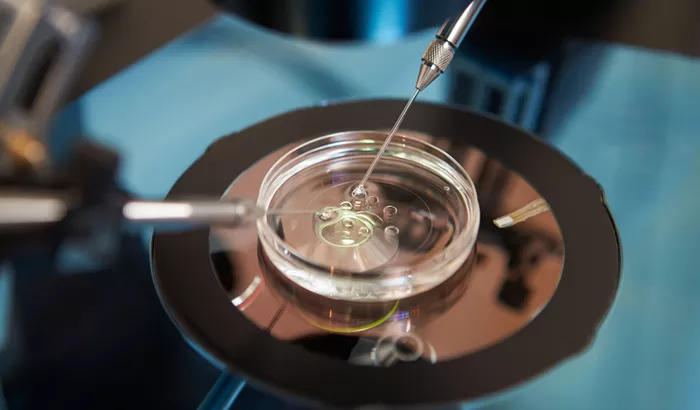
Health campaigners are raising urgent concerns over a rise in egg donations from women as young as 18, warning that many may be unaware of the significant physical and mental health risks involved.
According to Surrogacy Concern, a UK-based advocacy group, the number of young women aged 18 to 25 donating eggs to private fertility clinics has nearly tripled over the past decade — from 190 in 2012 to 509 in 2022.
While egg donation is legal and generally safe, the group warns that the financial incentive — up to £985 per donation to cover “expenses” — may be encouraging young women to take part without fully understanding the risks.
Financial Motivation Raising Ethical Concerns
Although it is illegal to directly pay for a woman’s eggs in the UK, clinics can reimburse donors for expenses up to £985. Surrogacy Concern claims that some clinics use this figure as a marketing tool, openly advertising the full amount without requiring proof of costs, effectively functioning as payment.
Helen Gibson, founder of Surrogacy Concern, explained:
“We’re really worried that women are doing this for money and are not being fully informed of the risks to their health. This is a lot of money at any age, especially for working-class women and students.”
She added that a woman could undergo three donation cycles and earn nearly £3,000, with the legal limit allowing up to ten cycles.
“This is insanity,” Gibson said. “We want the minimum donation age raised to 25, all payments stopped to remove financial pressure, and advertising that targets young women to be banned.”
Understanding the Health Risks
Egg donation requires a woman to undergo a course of hormone treatment to stimulate egg production. Once mature, the eggs are extracted using a needle guided by ultrasound.
While the process is generally considered safe, complications can occur, including:
Ovarian Hyperstimulation Syndrome (OHSS): A condition where the ovaries become swollen and painful. In severe cases, it can lead to blood clots, kidney failure, or fluid accumulation in the chest and abdomen.
Bowel Perforation and Abscesses: Rare but serious medical emergencies.
Sepsis: A potentially life-threatening infection.
Mental Health Impacts: Young donors may underestimate the emotional toll the process can take, especially if complications arise.
These side effects are not always highlighted clearly in clinic brochures or online ads, prompting calls for more transparent education on the procedure.
Fertility Standards and Government Oversight
Fertility clinics are currently permitted to accept donor eggs only from women under 35 — the age range considered most fertile. Yet, within that bracket, 18–25-year-olds are increasingly targeted due to their physical resilience and reproductive potential.
The Health Minister, Karin Smyth, addressed the issue, noting that the maximum £985 compensation had increased from £750 to keep up with inflation. She confirmed that fertility advertisements fall under the Advertising Standards Agency’s oversight and pledged continued monitoring:
“Women’s health, particularly inequalities, are absolutely central to this Government’s priorities.”
Smyth did not comment on whether the age limit or payment policies would change, but acknowledged the concerns raised by campaigners.
Informed Decisions Matter
Medical professionals emphasize the importance of informed consent. Donors must be given comprehensive details about what to expect — from the hormone treatment to potential complications and aftercare.
Dr. Nina Patel, a reproductive health specialist, said:
“It’s critical that egg donation not be driven by financial need alone. Young women must be equipped with medical facts, not marketing slogans.”
She encourages potential donors to speak with a healthcare provider outside the clinic system to get an unbiased overview.
A Call for Safer, Ethical Egg Donation Practices
Campaigners are urging reforms that would prioritize donor health and ethical practices over financial incentives. Their key recommendations include:
- Raising the minimum donation age to 25.
- Ending financial reimbursements to eliminate monetary influence.
- Banning targeted advertising aimed at young women.
- Requiring clinics to provide independent counseling and full medical briefings.
As egg donation continues to support many hopeful families struggling with infertility, experts insist that donor safety — both physical and emotional — must not be compromised in the process.
Practical Tips for Women Considering Egg Donation:
- Consult your GP or gynecologist before making a decision.
- Ask clinics detailed questions about risks, procedures, and follow-up care.
- Get written documentation about possible side effects.
- Ensure mental health support is available, both before and after donation.
- Do not feel pressured by money. Take time to reflect on your motivation.
If you or someone you know is considering egg donation, ensure it’s a choice made with full understanding, not under financial stress or emotional pressure.
