
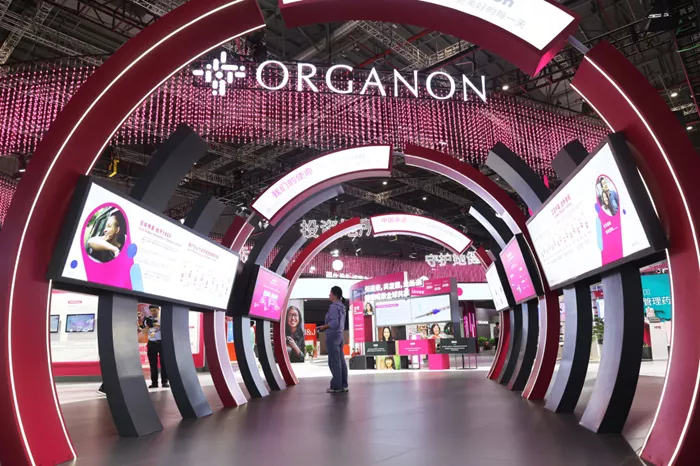
Organon announced on July 2, 2025, that it will discontinue the development of OG-6219, an experimental oral drug aimed at relieving moderate-to-severe pelvic pain caused by endometriosis, after the candidate failed to meet the primary efficacy endpoint in a Phase 2 clinical trial.
The ELENA study enrolled 354 women aged 18 to 49 with surgically confirmed endometriosis and assessed the change in overall pelvic pain after 16 weeks of twice-daily treatment.
OG-6219, a 17β-hydroxysteroid dehydrogenase type 1 (HSD17B1) inhibitor acquired through Organon’s 2021 purchase of Forendo Pharma, did not demonstrate significant pain improvement compared to placebo on an 11-point pain scale.
Endometriosis is a chronic condition where uterine-like tissue grows outside the uterus, causing pain and often infertility. Current treatments include over-the-counter pain relievers, hormone therapies—which carry side effect risks—and surgery for severe cases.
Organon had hoped OG-6219 would offer a novel, non-hormonal treatment option targeting the enzyme involved in uterine tissue growth, potentially reducing pain without systemic hormone effects.
Juan Camilo Arjona Ferreira, Organon’s Head of Research & Development, described the trial results as disappointing but reaffirmed the company’s commitment to advancing women’s health and developing new therapies for endometriosis. Organon also has a backup program targeting the same mechanism, though no updates on its status were provided.
This setback highlights ongoing challenges in developing effective treatments for endometriosis, a condition affecting approximately 190 million women worldwide. Organon continues to pursue innovative therapies in women’s health and beyond, including treatments for polycystic ovarian syndrome and dermatological conditions acquired through recent business expansions
Related topics:
