
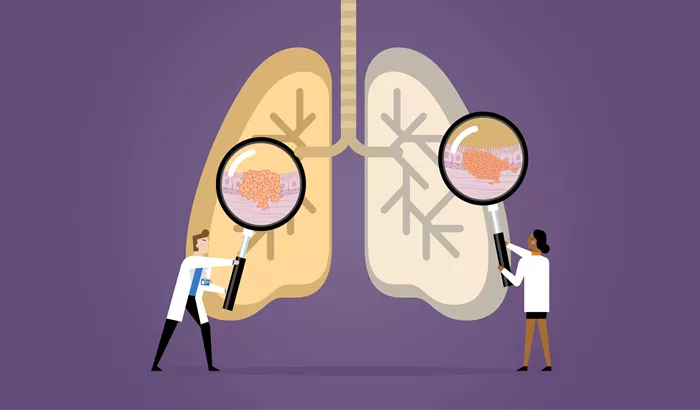
A groundbreaking study led by the National Institutes of Health (NIH) and the University of California, San Diego, has found that exposure to fine-particulate air pollution—such as emissions from vehicles and industry—significantly increases genetic mutations in lung cancer tumors among people who have never smoked.
Key Findings
Largest Study of Its Kind: Researchers analyzed lung tumors from 871 never-smoker patients across 28 locations worldwide, making this the most comprehensive whole-genome analysis of lung cancer in nonsmokers to date.
Genetic Mutations Linked to Pollution: The study found a strong association between air pollution exposure and mutations in the TP53 gene, a key gene involved in cancer development. Other genetic changes typically seen in smokers were also found in nonsmokers exposed to polluted air.
Telomere Shortening: Air pollution was linked to shorter telomeres—protective caps at the ends of chromosomes. Shorter telomeres are associated with aging and a reduced ability for cells to replicate, which can contribute to cancer risk.
Secondhand Smoke vs. Air Pollution: While secondhand smoke exposure led to slightly more mutations and shorter telomeres, it did not increase cancer-driving mutations as much as air pollution. This suggests air pollution may be a more potent cause of genetic changes in lung cancer for nonsmokers.
Why This Matters
Nonsmokers at Risk: Up to 25% of lung cancer cases worldwide occur in people who have never smoked. This study helps explain how environmental factors, especially air pollution, can drive cancer in this group.
Prevention and Awareness: Understanding the link between air pollution and lung cancer mutations can lead to better prevention strategies, such as reducing exposure to polluted air and advocating for cleaner environments.
Practical Tips for a Healthier Life
Monitor Air Quality: Use local air quality indexes to avoid outdoor activities when pollution levels are high.
Improve Indoor Air: Use air purifiers and keep windows closed on high-pollution days.
Support Clean Air Initiatives: Advocate for policies that reduce industrial and vehicle emissions in your community.
Regular Health Checkups: If you live in a high-pollution area, discuss lung health with your healthcare provider, even if you have never smoked.
Related topics:
Heart Attacks Become Less Deadly, While Chronic Heart Diseases Rise
Study Finds Disposable E-Cigarettes More Toxic Than Traditional Cigarettes
Radiation Therapy in Breast Cancer Linked to Reduced Alzheimer’s Risk
