
New research from South Korea uncovers a surprising connection between breast cancer survival and a lower risk of Alzheimer’s disease, offering fresh insights into dementia prevention and cancer treatment outcomes.
Breast Cancer Survivors Show 8% Lower Alzheimer’s Risk
A comprehensive study analyzing health records of over 70,000 breast cancer patients compared to 180,000 healthy controls found that women who survived breast cancer had an 8% reduced risk of developing Alzheimer’s disease over an average follow-up of 7.3 years.
This finding challenges earlier concerns about cognitive decline related to cancer therapies, often referred to as “chemobrain.”
Radiation Therapy May Play a Key Role
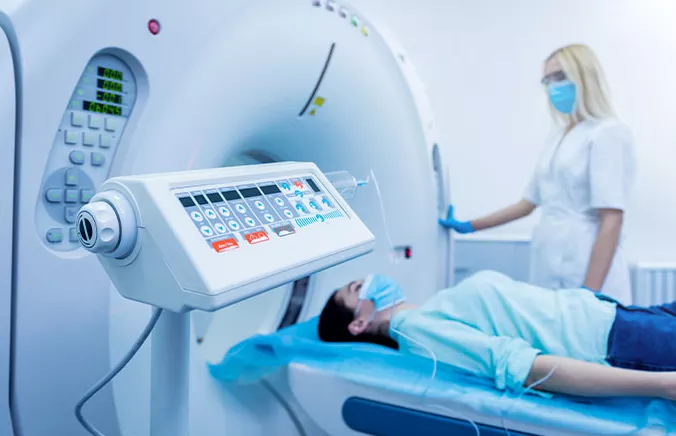
The researchers suggest that radiation therapy, a common treatment for breast cancer, could be responsible for this protective effect. While chemotherapy has been associated with cognitive impairments, radiation therapy might reduce brain inflammation, potentially lowering Alzheimer’s risk.
The risk reduction was most significant in women over 65 and diminished over time, indicating complex long-term effects of cancer treatments on brain health.
Implications for Cancer Survivors and Alzheimer’s Prevention
Breast cancer remains the most prevalent cancer among women worldwide, but survival rates have improved dramatically, with over 90% of early-detected cases surviving.
Understanding how treatments influence long-term cognitive health is vital for improving quality of life in survivors.
The study emphasizes that concerns about cancer treatment leading directly to Alzheimer’s may be overstated. Instead, radiation therapy might offer unexpected neuroprotective benefits, warranting further research into how cancer therapies impact brain aging and dementia risk.
Health Advice: Protecting Brain Health After Cancer
For breast cancer survivors and others, maintaining brain health is crucial. Experts recommend:
- Regular cognitive check-ups to monitor memory and concentration.
- Healthy lifestyle choices, including a balanced diet rich in antioxidants, regular physical activity, and mental exercises.
- Managing cardiovascular health, as heart health strongly influences brain function.
- Discussing treatment options with oncologists to understand potential long-term cognitive effects.
Conclusion
This groundbreaking study opens new avenues for exploring how cancer treatments like radiation therapy might influence Alzheimer’s risk. While more research is needed to confirm these findings and understand underlying mechanisms, breast cancer survivors can find reassurance that their treatment may not increase—and might even decrease—their chances of developing Alzheimer’s dementia.
Related topics:
