
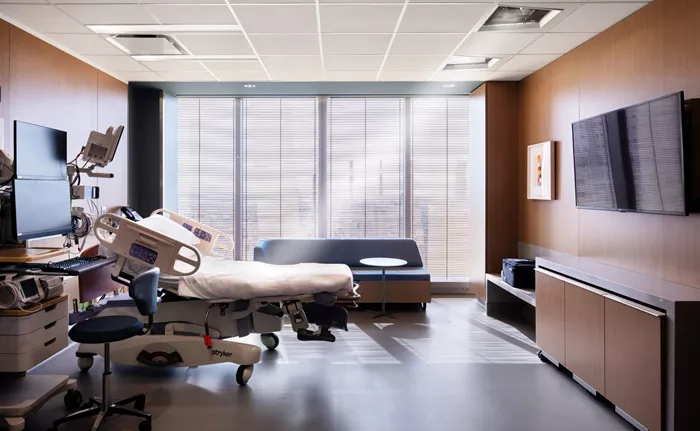
A recent study highlights how birth room lighting plays a crucial role in shaping labor outcomes, maternal comfort, and perineal health. This new health insight suggests that dim lighting during childbirth may promote natural vaginal delivery and improve the overall birth experience.
Study Overview: Lighting and Birth Outcomes
Conducted at a medical center in Northern Israel, the longitudinal cohort study involved 126 pregnant women who completed questionnaires during their third trimester and 72 hours after delivery. Researchers collected data on birth methods, complications, and the mothers’ psychological states during labor.
Key Findings: Dim Light Benefits Labor
Vaginal births were more common under dim lighting: 86.36% of vaginal deliveries occurred in dimly lit rooms versus 68.3% in brighter settings.
Fewer perineal tears with dim light: The study found a significant negative correlation between dim lighting and perineal injuries (p = 0.0033).
Enhanced maternal mental state: Mothers reported deeper immersion and clearer mental focus during labor in dimly lit environments, indicating a more positive birth experience.
Why Does Lighting Matter?
The birth room environment influences sensory perception and psychological states, which can affect labor progression. Dim lighting may help mothers relax, reduce stress hormones, and facilitate natural labor rhythms, contributing to smoother deliveries and less physical trauma.
Practical Health Advice for Expecting Mothers
Discuss birth environment preferences with your healthcare provider or birthing center, including lighting options.
Consider natural or dim lighting during labor to enhance relaxation and potentially improve birth outcomes.
Practice relaxation techniques such as deep breathing or visualization to complement a calming birth environment.
Conclusion and Future Directions
While these findings are correlational and further research is needed, the study underscores the importance of sensory factors like light in childbirth. Optimizing the birth room atmosphere could become a simple, non-invasive way to support natural childbirth and maternal well-being.
Related topics:
