
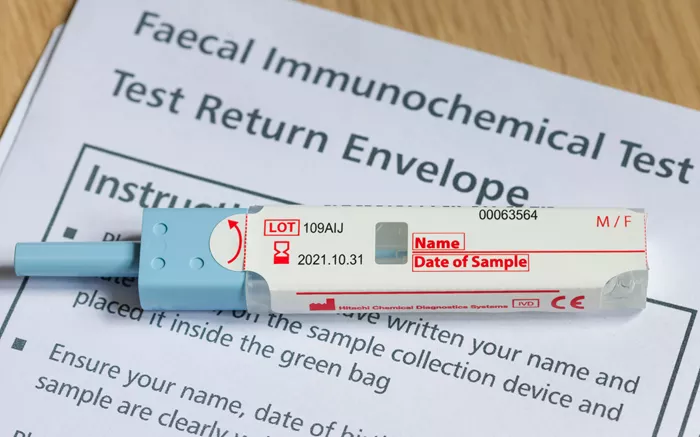
A new large-scale study from Spain has found that a simple stool test taken at home is just as effective as a colonoscopy in detecting colorectal cancer. The finding may change how doctors talk to patients about cancer screening options—and could lead to more people getting tested earlier.
The 10-year trial followed nearly 57,000 adults and compared two screening methods: a one-time colonoscopy and a biennial fecal immunochemical test (FIT), which can be done at home. Researchers found both tests worked equally well in preventing deaths from colorectal cancer.
Study Confirms Stool Test Matches Colonoscopy
The Spanish study, known as the Colonprev project, was led by Dr. Antoni Castells from Hospital Clínic de Barcelona and Dr. Enrique Quintero from University Hospital of the Canary Islands. Their team randomly assigned participants to one of two groups: one received a single colonoscopy, and the other received FIT kits every two years.
Over the following decade, researchers tracked cancer diagnoses and deaths. They found 55 cancer deaths in the colonoscopy group and 60 in the FIT group—a difference too small to be significant. This confirmed that both tests offer similar protection when it comes to catching cancer early.
Why This Matters
Colorectal cancer is the third most common cancer in the U.S. In 2025, doctors expect over 107,000 new colon cancer cases and nearly 47,000 rectal cancer cases. While cases are decreasing slightly among older adults—thanks to better screening and lifestyle changes—they are rising in people under 50.
More than 52,000 deaths from colorectal cancer are expected in the U.S. in 2025. This makes early detection through screening a top public health priority. The easier it is to complete a test, the more likely people are to do it—and potentially save their lives.
Stool Tests Are Simpler and More Popular
One key takeaway from the Spanish trial was how many people completed the screening. Nearly 40% of people invited to do the FIT sent back their samples, while only about 32% of those invited to have a colonoscopy actually scheduled it.
Stool tests offer major convenience. They don’t require fasting, sedation, or time off work. Patients can complete them at home in minutes and mail the sample back in a prepaid envelope.
By contrast, a colonoscopy requires a strict liquid diet, powerful laxatives, someone to drive you home afterward, and time to recover. These steps may explain why fewer people follow through with colonoscopies.
Cost and Comfort Matter
Cost is another big factor. A FIT costs around $24, while a colonoscopy can exceed $600 once hospital and facility fees are included. This price difference affects both patients and insurance companies.
Still, colonoscopies have their advantages. If doctors find a polyp during the procedure, they can often remove it on the spot. A positive stool test usually requires a follow-up colonoscopy to investigate further. In this way, the two methods work together—FIT as a first step, and colonoscopy for treatment or confirmation.
Doctors emphasize that serious side effects from colonoscopy, like bleeding or bowel tears, are rare. But knowing these risks helps patients make informed decisions.
What Should You Do?
U.S. guidelines recommend that adults begin regular screening for colorectal cancer at age 45 and continue through age 75. Options include an annual FIT, a colonoscopy every 10 years, or other approved tests. People in good health may benefit from screening up to age 85.
Choosing the test that best fits your lifestyle is key. Some clinics mail FIT kits automatically after checkups, and many pharmacies offer them without appointments.
Family history, inflammatory bowel disease, or genetic risks might change your recommended screening schedule, so be sure to discuss these with your doctor.
Once you choose a plan, stick to it. Set a calendar reminder, complete the test on time, and encourage friends and family to get screened too.
Healthy Habits Help Too
Screening is only part of the picture. The American Society of Colon and Rectal Surgeons recommends:
- Eating more fiber
- Exercising regularly
- Limiting red meat
- Quitting smoking
These steps lower your risk of developing colorectal cancer in the first place.
And remember—don’t wait until your next test if something feels wrong. Symptoms like rectal bleeding or sudden weight loss need prompt medical attention, even if you’re up to date on your screenings.
Conclusion
Both colonoscopy and stool tests are valuable tools in fighting colon cancer. This major new study shows that choosing a simpler, more accessible option like FIT can be just as effective. What matters most is getting screened—early, regularly, and in a way that works for you.
Related topics:
