
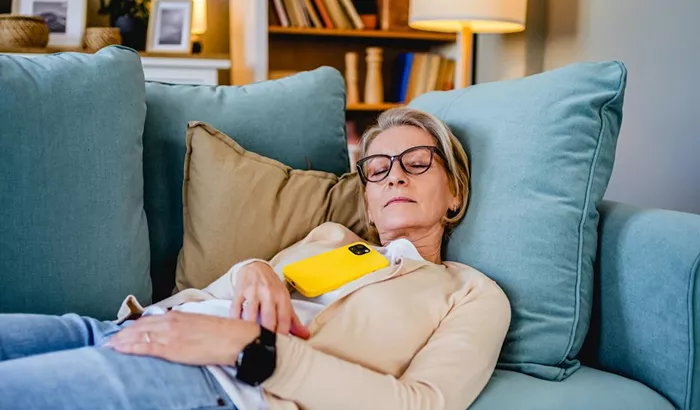
A large study has found that taking certain types of naps—especially in the early afternoon or with irregular patterns—may be linked to a higher risk of death in older adults. While short naps can still be beneficial, researchers warn that longer naps and inconsistent nap routines may signal deeper health issues.
The findings come from new research published in the journal Sleep, which tracked over 86,000 people in the United Kingdom. Participants were between 43 and 79 years old, and more than half were women. The study focused on how daytime napping behavior could affect long-term health and mortality.
What the Study Found
Researchers analyzed self-reported nap habits and data collected from wearable activity trackers worn for a week. They looked at how long and when participants napped and whether their nap schedules changed over time. This information was then compared with other factors like sleep quality at night, physical activity, body mass index, alcohol use, smoking, and existing health conditions.
The study showed a clear link between certain nap behaviors and a higher risk of death. Longer naps, especially those taken around noon or early afternoon, as well as inconsistent nap lengths, were tied to a greater mortality risk.
Researchers concluded that how people nap could play an important role in predicting health outcomes. They suggest including nap assessments in public health guidelines, especially for adults approaching or over middle age.
Are Some Nap Patterns Riskier Than Others?
According to Dr. Ashley Curtis, assistant professor and director of the CASH (Cognition, Aging, Sleep, and Health) Lab at the University of South Florida, short naps under 30 minutes may still be good for older adults. But naps that last an hour or more could increase health risks.
She noted that naps around midday seem to have a stronger link to increased mortality. Also, when older adults frequently change the length of their naps—from short to long or vice versa—it may be a warning sign.
Why Could Napping Be Dangerous?
Dr. Curtis explained that long naps might be a sign of poor sleep at night. Sleep disorders such as insomnia or sleep apnea can cause daytime sleepiness. These conditions, if untreated, are known to be linked to worse health and shorter lifespans.
When nighttime sleep is broken or not restful, the body’s natural rhythm gets disturbed. This can lead to tiredness during the day and more frequent napping.
There’s also a two-way connection between bad health and napping. Not only can health problems cause people to nap more, but long or irregular naps can also make those health issues worse. These naps may be linked to chronic inflammation, which is involved in diseases like diabetes, stroke, high blood pressure, obesity, and osteoporosis.
Curtis stressed that it’s not just about how often someone naps, but also changes in their nap patterns over time. If nap habits become more irregular while nighttime sleep gets worse, this might point to an increased risk of death.
Can This Risk Be Reduced?
There is some good news. According to Curtis, regular physical activity may help reduce the risks linked to long naps. Meeting weekly exercise guidelines—such as 150 minutes of moderate activity or 75 minutes of vigorous activity—could help offset some of the dangers. Good options for older adults include brisk walking, dancing, swimming, or hiking.
Other Factors That Affect the Risk
The connection between napping and mortality may also differ based on sex. One study found that older men who slept less than six hours at night and napped for over 30 minutes during the day had a higher death risk. The same trend did not appear in women.
Men are also more likely to have sleep issues like obstructive sleep apnea or frequent nighttime urination, both of which can lead to more daytime naps.
Curtis said that while the relationship between naps and death risk seems clear, scientists still don’t fully understand the cause. Many things may be involved, such as age, lifestyle, medical conditions, and gender differences.
The Takeaway
This study opens the door for more research on how sleep habits—especially napping—affect health as we age. While more work is needed to understand the exact link, the results suggest that tracking nap behavior could help doctors spot early signs of health trouble.
For now, experts recommend keeping naps short, staying active, and focusing on getting good sleep at night.
Related topics:
