
Gut health experts say it’s a safe and effective way to support regular bowel movements—without harsh side effects.
Feeling backed up, bloated, or uncomfortable? You’re not alone. Constipation is a common digestive issue that happens when stool moves too slowly through the colon, becoming dry and hard to pass. But health experts say one simple supplement might offer natural relief: psyllium husk.
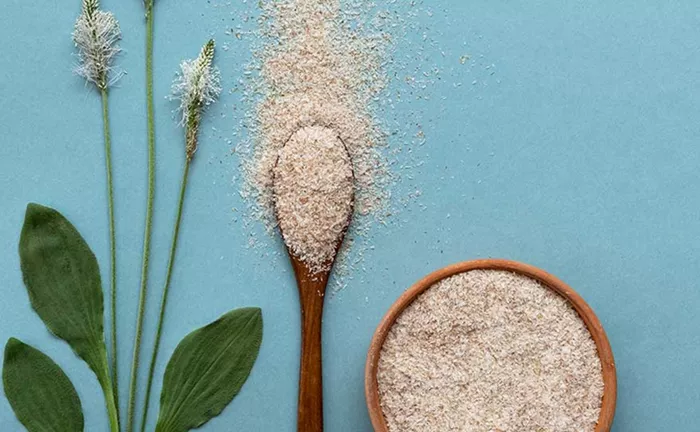
Psyllium husk comes from the seeds of the Plantago ovata plant and is rich in a special kind of fiber that helps your body go to the bathroom more easily. When mixed with water, this soluble fiber turns into a soft gel-like substance in your gut, helping bulk up and soften stool so it can pass more comfortably.
But the benefits don’t stop there. Psyllium husk also feeds healthy gut bacteria, supports digestive balance, and may even reduce gut inflammation.
Why Psyllium Husk Works So Well
1. It Contains Soluble Fiber
Psyllium is packed with a thick, sticky type of fiber that absorbs water. This helps your stool stay soft and easier to pass.
“When psyllium is mixed with water, it creates a gel that holds moisture in the stool,” explains dietitian Emily Lotterhand, RD. “This makes it more comfortable to go.”
2. It Feeds the Good Bacteria in Your Gut
Psyllium husk acts as a prebiotic, meaning it helps support healthy gut microbes. A strong gut microbiome can lead to better digestion and more regular bowel movements overall.
3. It’s Gentle on the Body
Unlike harsh laxatives, psyllium husk works with your body—not against it. It doesn’t cause sudden urges or painful cramps. Instead, it slowly helps move things along in a natural way.
4. It May Reduce Gut Inflammation
When stool stays too long in the body, it can irritate the colon. By promoting regular movements, psyllium husk helps keep things flowing and may reduce that inflammation.
“It helps maintain the gut lining’s health and lowers irritation,” says Lotterhand.
How to Add Psyllium Husk to Your Diet
Psyllium husk doesn’t naturally occur in the foods we eat, so it needs to be added as a supplement. Luckily, it’s easy to find and use in different forms—powder, granules, capsules, or wafers.
Here are a few simple ways to try it:
Add to smoothies: Stir in a teaspoon of psyllium powder and drink quickly—it thickens fast.
Mix into baking: Add to muffins or pancakes for a fiber boost and better texture, especially in gluten-free recipes.
Sprinkle on food: Add to oatmeal or yogurt, but always drink water afterward.
Choose fortified cereals: Some breakfast cereals already include psyllium for added fiber.
Start Slow: If you’re new to psyllium, begin with a small dose. Gradually increase to avoid bloating or gas. Drinking plenty of water is essential—it helps psyllium work properly and keeps stool from becoming too dry.
Other Tips to Help You Poop Naturally
Psyllium husk is just one tool for better digestion. Experts also recommend the following lifestyle changes:
Eat more fiber: Foods like oats, beans, fruits, and vegetables help keep your digestion smooth.
Drink more water: Fiber needs water to work. Without it, things can get even more backed up.
Get moving: Regular exercise helps your digestive muscles stay active. Even a daily walk can help.
Manage stress: Too much stress can slow digestion. Deep breathing and mindfulness may help.
Sleep well: Poor sleep can affect digestion and hormone balance. Aim for consistent rest each night.
What the Experts Say
Psyllium husk is a safe, natural way to get more fiber and improve bowel habits. It’s especially helpful for those struggling with constipation or looking to support their gut health.
“It’s a gentle option that supports both digestion and a healthy microbiome,” says Lotterhand. “Just remember to add it gradually and drink plenty of fluids.”
In short: if you’re looking for a natural way to stay regular and feel better, psyllium husk might be worth a try.
