
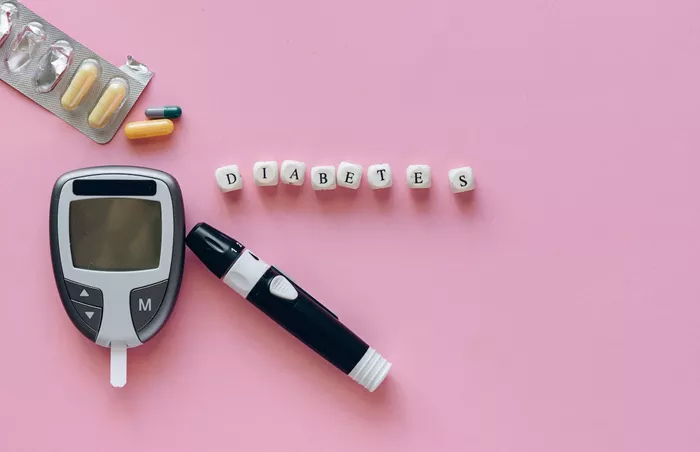
Recent advancements in diabetes care and genetic therapies are bringing renewed hope to patients and families. From inhaled insulin options for children to once-weekly injections for adults, and groundbreaking skin grafts for a rare genetic disorder, medical researchers are redefining comfort and care.
Inhaled Insulin Matches Injections for Kids with Diabetes
Children with type 1 diabetes may soon have a needle-free option to manage their condition. A new study presented at the American Diabetes Association’s annual meeting found that inhaled insulin is just as effective as injections at mealtimes for maintaining healthy blood sugar levels.
The trial involved 230 children aged 4 to 17. Participants either used Afrezza, an inhaled insulin approved for adults, or their regular injected mealtime insulin over 26 weeks. All continued their daily long-acting insulin injections.
Researchers found no significant difference in HbA1c levels, a long-term marker of blood sugar control, between the two groups. Inhaled insulin was also associated with less weight gain and higher satisfaction scores among both children and parents.
Importantly, the study found no adverse effects on lung function, addressing a common concern with inhaled medications.
“Inhaled insulin is the fastest acting insulin available and a valuable alternative,” said Dr. Michael Haller, lead investigator from the University of Florida. “Afrezza should be an option for all children and adults with type 1 diabetes.”
Once-a-Week Insulin Could Transform Type 2 Diabetes Care
Adults with type 2 diabetes may soon reduce the number of insulin injections from daily to just once a week.
In late-stage trials, Eli Lilly’s experimental insulin, efsitora, was found to be equally effective as daily insulin injections in lowering HbA1c levels across nearly 1,000 participants. Three separate studies, including one published in The New England Journal of Medicine, assessed the drug’s performance in people at various stages of insulin use.
“Once-weekly efsitora may eliminate over 300 injections a year,” said Jeff Emmick, Eli Lilly’s senior vice president of product development.
Lead investigator Dr. Julio Rosenstock noted that many people with type 2 diabetes hesitate to start insulin therapy. “Efsitora has the potential to simplify treatment and reduce this barrier,” he explained.
Although most patients begin with oral medications, nearly one-third eventually require insulin within eight years of diagnosis. A weekly option could significantly ease that transition.
Personalized Skin Grafts Heal Genetic Wounds in EB Patients
In a major breakthrough for patients with dystrophic epidermolysis bullosa (EB)—a severe genetic skin disorder—researchers have successfully treated painful, long-term wounds using gene-corrected skin grafts made from patients’ own cells.
EB causes the skin to blister and tear from the slightest friction, resulting in chronic open wounds. In a late-stage trial, 43 wounds in 11 patients were treated with the engineered grafts, while similar untreated wounds served as controls.
After six months:
- 81% of grafted wounds were at least half healed, vs. 16% of controls.
- 65% were at least 75% healed, vs. 7% of controls.
- 16% fully healed, compared to 0% of untreated wounds.
- Patients also reported less pain, itching, and blistering in the treated areas.
The treatment involves harvesting a small skin sample, inserting a corrected gene for collagen VII—the protein responsible for skin strength—and growing new skin sheets for grafting.
“We successfully treated the hardest-to-heal, most painful wounds,” said lead researcher Dr. Jean Tang of Stanford University. Tang’s team had previously developed a gene therapy gel for smaller wounds. Together, these therapies may alter the disease trajectory, reducing suffering from infancy through adulthood.
An accompanying editorial noted that trial participants maintained improvement five years later, suggesting long-term benefit.
In April, the FDA approved this skin graft therapy, marking a milestone in EB treatment.
Related topics:
