
This week’s heat wave brought not just record-breaking temperatures but also a stark reminder of how vulnerable U.S. cities and systems are to extreme weather.
With triple-digit temperatures stretching across the East Coast, the nation is grappling with crumbling infrastructure, overwhelmed healthcare systems, and increasing climate-related risks that demand urgent attention.
Extreme Temperatures Spark Widespread Disruptions
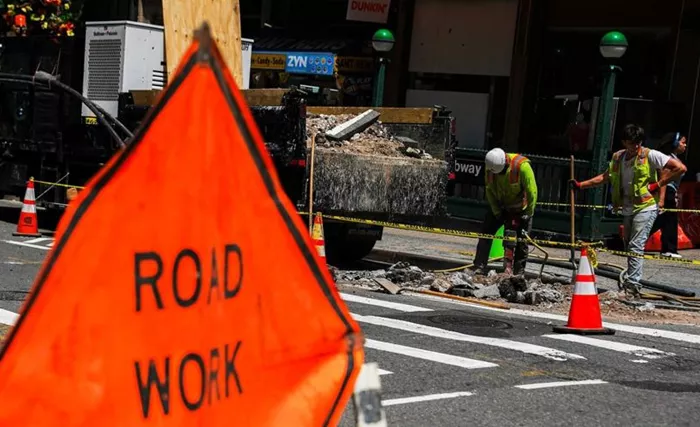
As temperatures soared to record highs across dozens of states, heat-induced breakdowns struck transportation, public safety, and energy systems. Roads cracked and buckled under the sun in South Dakota, Iowa, and New Jersey.
Amtrak trains were halted due to fears of warped tracks, while some routes experienced outright cancellations. Subway platforms in New York City felt more like saunas, and drawbridges in Massachusetts and Virginia malfunctioned due to overheating parts.
The persistent heat affected over 125 million Americans under heat advisories or warnings, with Wednesday alone threatening nearly 100 temperature records. Cities such as New York, Boston, and Philadelphia endured rare triple-digit temperatures, some for the first time in over a decade.
Public Health Systems Under Stress
Heat waves are the deadliest weather-related hazard in the United States, and this one is already showing its impact. A reported heat-related death in the St. Louis area involved a woman without air conditioning or running water. In Paterson, New Jersey, over 150 people suffered heat-related illnesses during two high school graduations, with 16 hospitalized.
In Washington, D.C., a K-pop concert ended early due to multiple medical emergencies, and the Washington Monument closed due to extreme conditions. Elsewhere, firefighters in Massachusetts collapsed from heat exhaustion, and young hikers in New Hampshire needed rescue due to heat-related injuries.
Hospitals in major cities like New York and Chicago struggled to maintain air conditioning systems under pressure. New York utility company Con Edison asked residents to conserve electricity to prevent blackouts.
Even athletic events were affected—players in the FIFA Club World Cup stayed in locker rooms to avoid direct exposure to the heat in Charlotte, North Carolina.
Record-Breaking Heat Shocks Northeastern U.S.
Tuesday marked the most intense day of this prolonged heat wave, with monthly temperature records shattered from Maine to Virginia. Highlights include:
- Augusta, Maine: Hit 100°F, tying its all-time high.
- Boston: Reached 102°F, the city’s hottest June day ever.
- Philadelphia: Recorded its first 100°F day since 2012.
- Newark, New Jersey: Tied its June high of 103°F.
- New York City Airports: JFK hit 102°F and LaGuardia 101°F—both setting or tying June records.
The extreme heat didn’t let up on Wednesday, with temperatures remaining in the high 90s across the region.
Climate Change Driving the Heat Extremes
Scientists emphasize the growing role of climate change in making extreme heat waves like this more likely and more intense. According to Climate Central, Tuesday’s blistering heat in the Mid-Atlantic was at least five times more likely due to the influence of human-caused climate change.
“There is no uncertainty around the fact that climate change makes heatwaves more intense and more frequent,” said Dr. Fredi Otto of World Weather Attribution. “In our warming world, that heat is pushing to new levels and extremes.”
Research shows that nearly all major heat events studied in recent years have had a measurable link to climate change, suggesting such episodes will continue unless greenhouse gas emissions are drastically reduced.
Practical Safety Advice During Extreme Heat
As future heat waves become more frequent, experts urge individuals and communities to prepare:
- Stay Hydrated: Drink plenty of water, even if you don’t feel thirsty.
- Avoid Outdoor Activity: Limit physical exertion during peak sun hours (11 a.m.–4 p.m.).
- Check on Vulnerable People: Older adults, children, and those without air conditioning are especially at risk.
- Use Cooling Centers: Many cities offer public facilities for relief from the heat.
- Conserve Energy: Help reduce stress on power grids to prevent blackouts.
A Wake-Up Call for Preparedness
The week’s events reinforce the importance of adapting infrastructure, healthcare systems, and daily life to a hotter, more volatile climate. With urban areas particularly vulnerable due to heat-trapping surfaces and high population density, officials and citizens alike must take heat preparedness as seriously as other natural disasters.
As climate extremes become the new normal, this summer’s early and unrelenting heat wave is not just a weather story—it’s a health and infrastructure warning for America’s future.
Related topics:
