
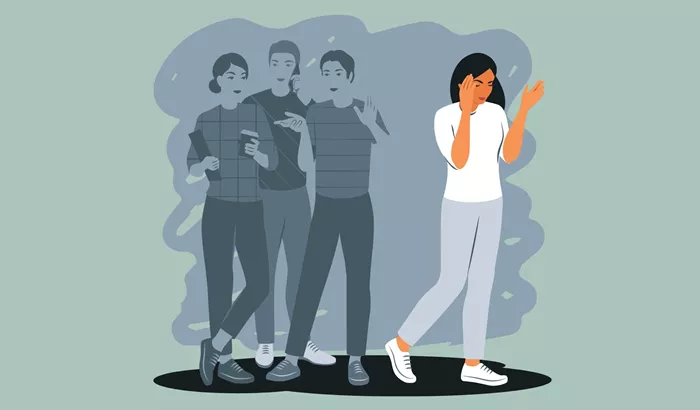
Empathy is the ability to understand and share the feelings of others. It plays a critical role in human relationships, allowing people to connect emotionally, communicate effectively, and care for each other. A lack of empathy can lead to difficulties in personal relationships, work environments, and society as a whole.
In some cases, the inability to feel or express empathy may be linked to specific mental health disorders. Understanding these conditions can help families, educators, and healthcare professionals identify symptoms early and provide proper care and support.
What Is Empathy?
Empathy is not just one thing. It includes several components:
- Cognitive empathy: Understanding what another person is thinking or feeling.
- Emotional empathy: Actually feeling what someone else feels.
- Compassionate empathy: Going beyond understanding and feeling to taking action to help.
People who lack empathy may have difficulty understanding others’ points of view, feel little emotion when others are suffering, or appear cold and indifferent.
Mental Disorders That May Involve Lack of Empathy
There is no single mental disorder that causes a complete lack of empathy in all individuals. However, several psychological conditions are known to impair empathetic responses. These include:
1. Antisocial Personality Disorder (ASPD)
People with ASPD often show a long-term pattern of disregard for others’ rights and feelings. They may lie, manipulate, or hurt others without feeling guilt or remorse.
Key symptoms:
- Persistent rule-breaking or criminal behavior
- Lack of remorse after harming others
- Deceitfulness and manipulation
- Disregard for the safety of self or others
Empathy impact: People with ASPD often lack emotional empathy. They may understand intellectually that someone is hurt but not feel any emotional connection to that pain.
2. Narcissistic Personality Disorder (NPD)
Individuals with NPD tend to have an inflated sense of self-importance and crave admiration. They may exploit others to achieve their own goals and often show little concern for others’ needs.
Key symptoms:
- Grandiose sense of self
- Need for excessive admiration
- Exploitation of others
- Lack of empathy
Empathy impact: People with NPD may struggle with both emotional and compassionate empathy. They may fail to recognize others’ needs unless it benefits them in some way.
3. Autism Spectrum Disorder (ASD)
Autism is a neurodevelopmental condition that affects social interaction and communication. While many individuals with ASD care deeply about others, they may struggle to express empathy in typical ways.
Key symptoms:
- Difficulty reading social cues
- Challenges in verbal and nonverbal communication
- Repetitive behaviors or narrow interests
Empathy impact: Some individuals with ASD may have difficulties with cognitive empathy, but this does not mean they lack feeling or care. Many autistic individuals are deeply empathetic but express it differently.
4. Borderline Personality Disorder (BPD)
BPD is characterized by intense emotions, unstable relationships, and fear of abandonment. While people with BPD often feel emotions intensely, their empathy can be inconsistent.
Key symptoms:
- Intense fear of rejection or abandonment
- Unstable self-image
- Rapid mood changes
- Impulsive behavior
Empathy impact: Emotional dysregulation may interfere with the ability to respond empathetically, particularly in times of stress or perceived threat.
5. Schizophrenia
Schizophrenia is a serious mental illness that affects how a person thinks, feels, and behaves. People with schizophrenia may experience delusions, hallucinations, and cognitive challenges.
Key symptoms:
- Hallucinations (seeing or hearing things not there)
- Delusions (false beliefs)
- Disorganized thinking and speech
- Social withdrawal
Empathy impact: Schizophrenia can affect emotional recognition and cognitive empathy, making it hard for individuals to respond appropriately to others’ emotions.
Other Conditions Related to Empathy Deficits
Alexithymia
Alexithymia is not a disorder but a trait involving difficulty in identifying and expressing emotions. People with alexithymia may appear emotionally distant.
Psychopathy
Psychopathy is often considered an extreme form of ASPD. It includes traits like shallow emotions, manipulation, and a profound lack of empathy.
Conduct Disorder (in children)
This is a childhood disorder marked by aggression, rule-breaking, and lack of remorse. It may develop into ASPD in adulthood.
How Do Mental Health Professionals Assess Empathy?
Clinical Interviews
A trained psychologist or psychiatrist will ask detailed questions about thoughts, feelings, and behaviors to understand a person’s emotional functioning.
Behavioral Observation
Watching how someone interacts with others can provide clues about their level of empathy. Do they recognize when someone is upset? Do they respond with concern?
Psychological Testing
There are several tools that help assess empathy and related traits:
- The Empathy Quotient (EQ) – A self-report questionnaire to measure empathy levels.
- The Interpersonal Reactivity Index (IRI) – Measures different components of empathy.
- The Hare Psychopathy Checklist – Often used in forensic settings to measure psychopathy, including emotional coldness and lack of empathy.
How to Improve Empathy
1. Psychotherapy
Cognitive Behavioral Therapy (CBT), Dialectical Behavior Therapy (DBT), and other therapeutic approaches can help individuals develop emotional awareness and regulation skills.
2. Social Skills Training
Especially helpful for individuals with autism or social difficulties, social skills training teaches how to read body language, maintain conversations, and express concern appropriately.
3. Mindfulness and Emotional Awareness
Practicing mindfulness helps individuals become more aware of their own emotions and the feelings of others. This can enhance empathy over time.
4. Group Therapy
Group settings allow individuals to practice empathy in a safe and supportive environment. Hearing others share their experiences can foster deeper understanding and compassion.
Professional Suggestions for Families and Caregivers
If you are concerned that a loved one may lack empathy, consider the following steps:
- Seek a professional evaluation: A psychologist can assess the situation and provide a diagnosis if necessary.
- Educate yourself: Understanding the mental health condition involved can help reduce stigma and increase patience and empathy.
- Model empathetic behavior: Show concern, listen actively, and encourage emotional expression.
- Set boundaries: Especially with conditions like ASPD or NPD, it’s important to protect your own emotional health while helping others.
Can Empathy Be Taught or Learned?
Yes. While some individuals naturally struggle more with empathy due to neurological or psychological factors, empathy is not fixed. With the right tools, support, and treatment, many people can improve their ability to understand and care about others’ emotions.
When to Seek Help
If someone’s lack of empathy causes harm to themselves or others, or if it affects their ability to function in daily life, professional intervention is recommended. Untreated empathy deficits can lead to relationship breakdowns, poor job performance, and even legal problems.
Conclusion
Lack of empathy is a serious concern, but it is often a symptom of a deeper psychological condition. Disorders like ASPD, NPD, BPD, ASD, and schizophrenia can impact a person’s ability to understand and care about others’ emotions. Fortunately, with early diagnosis and the right support, individuals can learn to better connect with those around them.
If you or someone you know struggles with empathy, don’t hesitate to reach out to a mental health professional. Understanding the root cause can lead to healing, growth, and stronger human connection.
Read more:
