
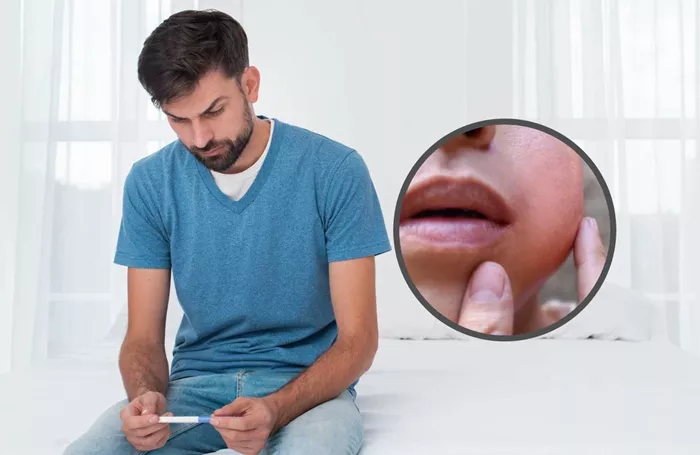
Mumps is often remembered as a childhood illness that causes swelling of the cheeks and jaw. But for adult men, it’s not just an uncomfortable infection—it can have serious consequences for fertility. Understanding how mumps affects the male reproductive system, recognizing warning signs, and knowing when to seek treatment can protect your health and future family plans.
What Is Mumps and How Does It Affect Men?
Mumps is a contagious viral infection caused by the mumps virus. It primarily targets the salivary glands, especially the parotid glands located near the ears, causing painful swelling. While common in children, mumps infections in adult men carry a higher risk of complications, especially when the virus spreads beyond the salivary glands.
One of the most serious complications in men is orchitis—inflammation of one or both testicles. Orchitis occurs in about 20-30% of post-pubertal males who contract mumps and can directly impact fertility. This inflammation can damage the testicular tissue responsible for producing sperm and testosterone, potentially leading to reduced sperm count or even infertility in severe cases.
How Does Mumps Cause Fertility Issues?
The testicles are delicate organs responsible for sperm production and hormone regulation. When mumps virus infects the testicles, the resulting orchitis causes swelling, pain, and inflammation. This inflammation can lead to:
- Testicular Atrophy: Shrinkage of the testicles due to tissue damage.
- Sperm Production Decline: Reduced or halted sperm production, lowering fertility.
- Hormonal Imbalance: Lower testosterone levels affecting sexual function and fertility.
- Increased Risk of Infertility: In severe or bilateral orchitis (both testicles affected), infertility can occur.
Fortunately, not every case of mumps orchitis results in permanent damage. The severity depends on the individual’s immune response, timely treatment, and whether one or both testicles are affected.
Signs That Mumps May Be Affecting Your Fertility
Early recognition is key to preventing long-term complications. If you have mumps, watch closely for symptoms beyond typical cheek swelling. Signs that your fertility might be at risk include:
- Testicular Pain and Swelling: Tenderness or enlargement in one or both testicles, often appearing 4-7 days after mumps symptoms begin.
- Fever and Malaise: Persistent high fever with body aches and fatigue.
- Discomfort While Urinating or Ejaculating: Pain or difficulty may indicate inflammation.
- Changes in Testicle Size: Noticeable shrinkage or hardening after swelling subsides.
- Sexual Dysfunction: Reduced libido or erectile difficulties, which can be related to hormonal changes.
If you experience these symptoms following a mumps infection, it is crucial to consult a healthcare provider immediately for evaluation.
Diagnosis and Medical Evaluation
Your doctor will start with a detailed medical history and physical examination. They may perform tests such as:
- Blood Tests: To confirm mumps infection and check hormone levels.
- Ultrasound Imaging: To assess inflammation and damage in the testicles.
- Semen Analysis: To evaluate sperm count, motility, and morphology.
Early diagnosis allows for timely intervention, which can significantly reduce the risk of lasting fertility problems.
Treatment Options for Mumps-Related Fertility Issues
Since mumps is viral, there is no specific antiviral treatment, but supportive care is vital to ease symptoms and prevent complications:
- Rest and Hydration: Allow your body to recover and reduce inflammation.
- Pain Relief: Use over-the-counter painkillers like ibuprofen or acetaminophen to manage discomfort.
- Cold Compresses: Applying cold packs to swollen testicles can reduce swelling and pain.
- Scrotal Support: Wearing supportive underwear may ease discomfort during movement.
In cases of orchitis, close monitoring is necessary. If symptoms worsen or do not improve, further medical interventions might be required. Hormonal therapy or fertility treatments could be considered if damage to testicular function is significant.
Preventing Mumps and Protecting Fertility
The best way to avoid mumps-related fertility problems is prevention. The mumps vaccine (often given as part of the MMR vaccine for measles, mumps, and rubella) is safe and highly effective. It drastically reduces the risk of infection and its complications.
Other preventive tips include:
- Avoid close contact with infected individuals.
- Practice good hygiene, including frequent handwashing.
- Stay up to date on vaccinations, especially if you missed them in childhood.
Long-Term Outlook
Most men who develop mumps orchitis recover fully without permanent fertility issues, especially if only one testicle is involved. However, bilateral orchitis or severe inflammation can cause lasting damage, so follow-up care and fertility evaluation are important.
If you have concerns about fertility after mumps, a urologist or fertility specialist can perform thorough testing and discuss treatment options, including assisted reproductive technologies if needed.
Conclusion
Mumps can be more than a childhood nuisance—adult men need to be aware of its potential to impact fertility through orchitis. Early recognition, prompt medical care, and vaccination are key to protecting reproductive health. If you experience testicular pain or swelling after mumps, don’t delay seeing a healthcare professional. Staying informed and proactive can safeguard your fertility for the future.
Frequently Asked Questions (FAQs)
1. Can mumps cause permanent infertility in men?
While mumps orchitis can lead to testicular damage, permanent infertility is uncommon if only one testicle is affected and proper care is received. Bilateral orchitis or severe cases pose a higher risk, so early treatment and follow-up are crucial.
2. Is there a treatment to reverse fertility damage caused by mumps?
There is no guaranteed treatment to reverse testicular damage once it occurs. However, supportive care during infection and hormone therapies may help. Fertility specialists can assist with options like assisted reproduction if natural fertility is impaired.
3. How effective is the mumps vaccine in preventing fertility complications?
The mumps vaccine is highly effective at preventing infection and its complications, including orchitis. Vaccination remains the best way to protect yourself and your fertility from the risks posed by mumps.
Read more:
