
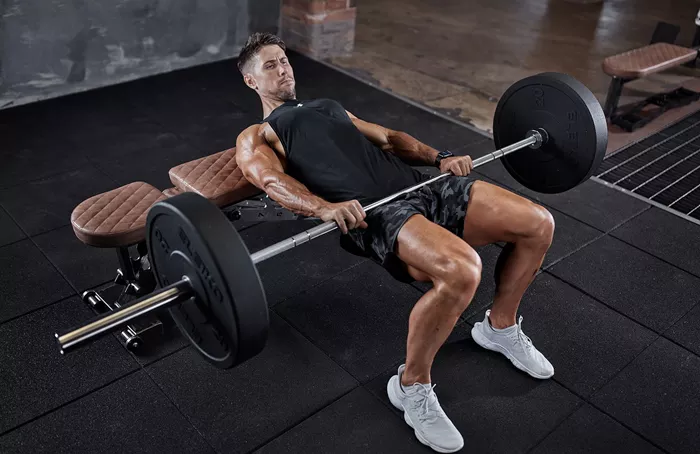
For many years, gym culture has focused heavily on building big arms and chiseled abs. But now, a new fitness trend is taking hold: men are increasingly dedicating time to strengthening their glutes.
Rich, 33, a fitness enthusiast, shares his personal journey. “I’ve always admired well-shaped backsides, and when I took fitness seriously, building a strong butt became my top goal,” he says. Beyond the aesthetic appeal, he finds that glute training has boosted his confidence and improved his overall strength.
While queer men have long appreciated well-developed glutes, straight men are now joining the trend. In 2023, over 400 men in the US underwent Brazilian butt lift procedures, indicating a growing interest in enhancing the male posterior.
Fitness brands are also responding, releasing leggings, underwear, and even chinos designed to enhance the buttocks. Influencers and trainers are encouraging men to engage in workouts that target the glutes, and more men are participating in classes like Pilates, which focus on glute strength.
Physical therapist and trainer John Rusin observes, “Glute training has gone from being laughed at to being one of the most sought-after exercises.” He notes that machines like the hip thrust, once rarely used by men, are now regularly occupied.
The shift challenges decades of gym culture, which often sidelined leg and glute training. Traditionally, men’s workouts prioritized broad shoulders, large chests, and strong arms, while the lower body was often neglected. This neglect is especially visible during warmer months, when shorts reveal disproportionate physiques.
Taylor, 29, points out, “There’s nothing worse than a guy with a strong upper body but tiny legs.” His boyfriend’s well-developed glutes contribute to both his athletic performance and appeal.
The benefits of strong glutes go beyond looks. Athletes rely on powerful glutes for speed, agility, and resilience. “Glutes are the powerhouse of the body,” says Rusin. “They support movement, protect joints, and improve performance.”
For many men, glute workouts also translate into better overall strength and reduced injury risk. Rich confirms this, saying, “My glute training has made me more confident and stronger on lifts like squats.”
Fitness programs focusing on functional strength and sports-specific movements, such as F45 and Onnit 6, have helped popularize glute training. Juddy Ferguson, senior athletics educator at F45, notes that exercises like single-leg deadlifts and sled pushes are now common for men preparing for competition.
Despite these gains, leg day remains daunting for many men. A Reddit user sums it up: “Leg workouts are brutal and mentally exhausting compared to upper body days.” Many men avoid direct glute exercises like hip thrusts, often due to social stigma or misconceptions about masculinity.
Some fitness influencers even discourage glute training for men. For example, Australian bodybuilder Jeff Myth joked that men doing hip thrusts “should be very upset,” a comment that reflects lingering cultural resistance.
However, the stigma is fading. More men are recognizing the importance of glute strength for health, performance, and appearance. As one woman puts it, men who train their glutes demonstrate a commitment to health that she finds attractive and reassuring.
At many gyms today, men are incorporating glute bridges and machine kickbacks into their routines without hesitation. This growing acceptance marks a cultural shift toward valuing functional strength and body positivity for men.
For many, owning a well-developed butt is empowering. As one gym-goer says, “It’s honestly really empowering to have a fat ass.”
Read more:
