
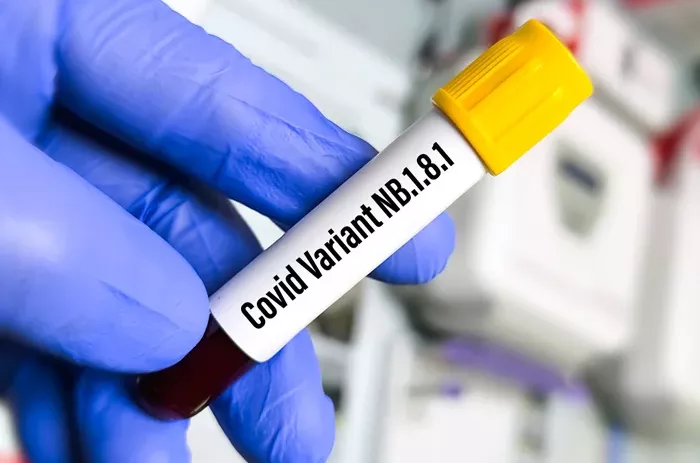
A new COVID-19 variant called NB.1.8.1, which was virtually unknown in the U.S. just months ago, is quickly becoming the second most common strain in the country.
First detected in China in January 2025, this variant accounted for nearly 0% of U.S. cases until May but surged to approximately 37% by early June, according to data from the Centers for Disease Control and Prevention (CDC).
What is NB.1.8.1?
NB.1.8.1 is a new subvariant of COVID-19, considered an evolution of the previously dominant LP.8.1 variant (commonly linked to Omicron). Microbiology experts say NB.1.8.1 may spread more easily and evade immune protection from vaccines or past infections better than its predecessors.
According to Dr. Subhash Verma, professor of microbiology and immunology at the University of Nevada, Reno, this increased transmissibility and immune escape make it essential to keep a close watch on this variant’s progress.
How Common is NB.1.8.1 in the U.S.?
CDC’s latest data shows NB.1.8.1 now accounts for about 37% of COVID-19 infections nationwide, trailing just behind the LP.8.1 strain at 38%. Other variants, like XFG and XFC, represent smaller shares. The NB.1.8.1 variant went from almost no presence in March to steadily rising through April and May.
What Are the Symptoms?
The CDC has not identified unique symptoms specifically linked to NB.1.8.1, but reports suggest the variant causes symptoms similar to earlier COVID-19 strains. Many individuals infected with NB.1.8.1 describe an intense sore throat sensation, often called a “razor blade throat,” where the throat feels raw and painfully irritated.
Common COVID-19 symptoms listed by the CDC include:
- Fever or chills
- Cough
- Shortness of breath or difficulty breathing
- Sore throat
- Nasal congestion or runny nose
- New loss of taste or smell
- Fatigue
- Muscle or body aches
- Headache
- Nausea or vomiting
Seek medical help immediately if you experience difficulty breathing, chest pain, new confusion, inability to stay awake, or bluish discoloration of lips or face.
How to Protect Yourself
Vaccination remains the best defense against COVID-19 and its variants. WHO affirms that current vaccines still offer protection against NB.1.8.1. The CDC recommends everyone over six months old receive the 2024-2025 COVID-19 vaccine, with special emphasis on older adults, immunocompromised individuals, pregnant people, and those at higher risk.
However, recent changes in vaccine recommendations by U.S. health authorities may limit access for some groups, with COVID-19 vaccines primarily recommended only for people over 65 and those with certain health conditions. This could affect availability for younger, healthy individuals or healthcare workers who want to get vaccinated.
Testing Access
Free COVID-19 testing is still widely available through the federal ICATT program at over 19,000 sites nationwide. You can find a nearby testing location by visiting the CDC’s testing locator website.
Related topics:
