
The Midcoast region of Maine has emerged as the state’s hotspot for dangerous tick bites, according to extensive research conducted by the University of Maine Cooperative Extension tick lab. Over six years, this lab tested more than 22,000 ticks from across Maine and found that ticks from Hancock, Knox, Lincoln, and Waldo counties carry the highest rates of pathogens responsible for Lyme disease, anaplasmosis, and babesiosis — the three most common tick-borne illnesses in the state.
These Midcoast counties also report the greatest number of human cases and hospitalizations related to these diseases. Yet, researchers remain puzzled why this area has become a concentrated risk zone. Griffin Dill, coordinator of the tick lab, explains, “The Midcoast shares many environmental features with southern Maine, including climate, wildlife hosts, and habitat. We are still working to understand why it stands out.”
Experts highlight that favorable conditions like diverse habitats, abundant animal hosts, and milder winters support tick survival and disease transmission in Midcoast Maine, similar to southern regions. However, preliminary field surveys indicate that tick numbers are not significantly higher here than in southern Maine.
Scientists at the Maine Medical Center Research Institute, such as vector-borne disease specialist Susan Elias, suspect human behavior differences may play a key role. “Age and lifestyle factors at the county level may contribute,” Elias noted. “At the town level, data suggest that residents living in prime tick habitats tend to be older and lead active outdoor lives in both Midcoast and southern Maine.”
A recent study in the Journal of Maine Medical Center concluded that current data do not precisely separate environmental, entomological, and human behavioral influences. Still, differences in human behavior around residential areas are considered the most likely explanation and deserve further investigation.
The Midcoast’s status as a tick disease cluster has been underrecognized because earlier analyses compared total case numbers by county, which made densely populated southern counties appear more affected. When rates of infected ticks and illnesses per 100,000 residents are considered, the Midcoast cluster becomes clear.
Lincoln County stands out with the highest percentage of adult deer ticks testing positive for Lyme disease bacteria—52%, compared to a statewide average of 44%. Correspondingly, Hancock, Knox, Lincoln, and Waldo counties report some of the highest human infection rates in Maine.
Conversely, the northernmost counties like Aroostook, Piscataquis, and Washington have much lower rates of infected ticks, with only 13.6%, 25.8%, and 31.3% testing positive, respectively.
Tick-borne illnesses are a growing public health concern in Maine, as warming climates allow ticks to expand their range and activity periods. In 2024, the state recorded a record 3,218 Lyme disease cases, surpassing the 2023 record of 2,943.
Lyme disease symptoms include a characteristic bull’s-eye rash—though not always present—fever, headache, joint pain, and fatigue. Early diagnosis allows effective antibiotic treatment. Anaplasmosis and babesiosis, though less common, produce similar symptoms but rarely cause a rash. Unlike Lyme disease, these infections can lead to severe complications such as respiratory or kidney failure.
Maine reported 1,284 cases of anaplasmosis and 309 of babesiosis in 2024, marking significant year-over-year increases of 65% and 59%, respectively.
To combat this threat, the Maine Center for Disease Control and Prevention runs ongoing education programs statewide, emphasizing prevention. According to CDC veterinarian and educator Megan Porter, targeted social media campaigns aim to raise awareness in tick hotspots, including Midcoast and southern Maine, reaching residents and visitors alike.
Experts advise several practical steps to reduce tick bite risk: wear light-colored clothing covering arms and legs, tuck pants into socks, use EPA-approved tick repellents, and perform thorough tick checks after outdoor activities. Clothing should be dried on high heat for 10-15 minutes before washing to kill any hidden ticks.
Climate change has shifted tick activity to earlier springs and later falls, increasing the window for exposure. Snow cover, surprisingly, acts as insulation protecting ticks during cold spells.
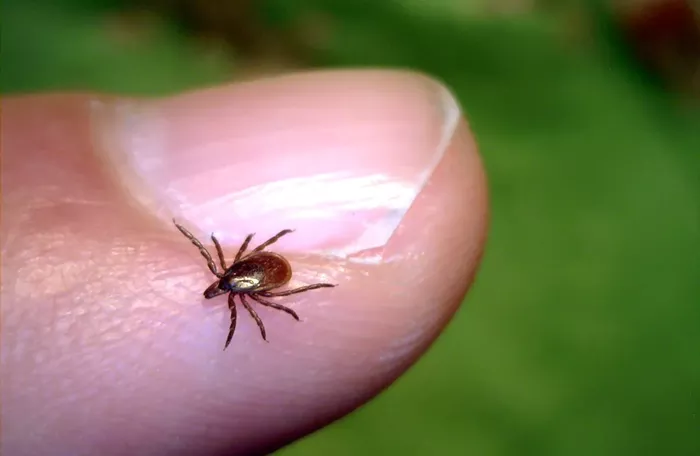
The blacklegged tick (deer tick) remains the primary carrier of tick-borne diseases in Maine, but invasive species like the Lone Star tick also pose emerging risks.
To track tick populations and pathogens, UMaine Extension uses passive surveillance—testing ticks submitted by the public—and has established long-term monitoring sites statewide. These efforts help identify risk factors and monitor for invasive ticks before they become widespread.
Residents and visitors can submit ticks for free identification and low-cost pathogen testing via the tick lab’s website (
Related topics:
