
For many consumers, the decision to purchase a luxury vehicle is often complicated by concerns over depreciation, insurance premiums, and long-term maintenance costs. While premium cars deliver advanced technology, refined comfort, and brand prestige, their total cost of ownership can significantly exceed the initial purchase price. These financial considerations are particularly relevant for retirees, who typically depend on fixed incomes and must carefully manage ongoing expenses.
Unlike working buyers with steady earnings, retirees face greater pressure to ensure their spending remains predictable and sustainable. As a result, vehicle selection tends to prioritize comfort, ease of use, and long-term reliability over performance or brand appeal. Unexpected repair costs or high operating expenses can quickly disrupt retirement budgets, underscoring the importance of choosing a dependable model with manageable ownership costs.
Depreciation is another critical factor influencing buying decisions. Luxury vehicles are known for steep value declines in their early years, which can make them less attractive from a financial standpoint. Opting for models with stronger long-term value retention can help mitigate losses and provide flexibility should owners decide to sell or trade in the vehicle later.
To navigate these considerations, many buyers rely on industry resources such as Kelley Blue Book, which evaluates vehicles based on safety, comfort, performance, and accessibility. These criteria are especially important for older drivers, who often prioritize intuitive controls, ride quality, and reliability over high-performance capabilities.
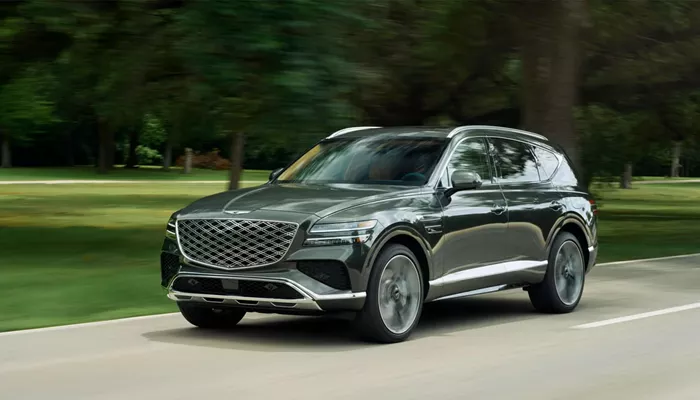
Among the models frequently recommended is the 2025 Genesis GV80 2.5T. The midsize luxury SUV has gained attention for blending modern features with a user-friendly design. Industry assessments highlight its strong suite of safety technologies and comfortable driving experience, positioning it as a practical option for retirees seeking a premium vehicle without unnecessary complexity.
Although the GV80 is reported to experience relatively high depreciation during its first year, data from automotive research firms such as CarEdge indicates that its value stabilizes more effectively over time compared to many rivals in the same segment. This makes it a more appealing choice for buyers planning longer-term ownership.
Reliability also plays a key role in its appeal. According to J.D. Power ratings, the 2025 GV80 performs well in dependability studies, reinforcing its reputation as a stable and low-risk option for those focused on minimizing maintenance concerns.
As the luxury vehicle market continues to grow, industry experts note that the definition of the “best” car is evolving. Rather than focusing solely on brand image or feature lists, buyers are increasingly prioritizing how well a vehicle aligns with their financial realities and long-term needs. For retirees in particular, achieving the right balance between comfort, reliability, and cost efficiency remains essential to making a sustainable purchase decision.
