
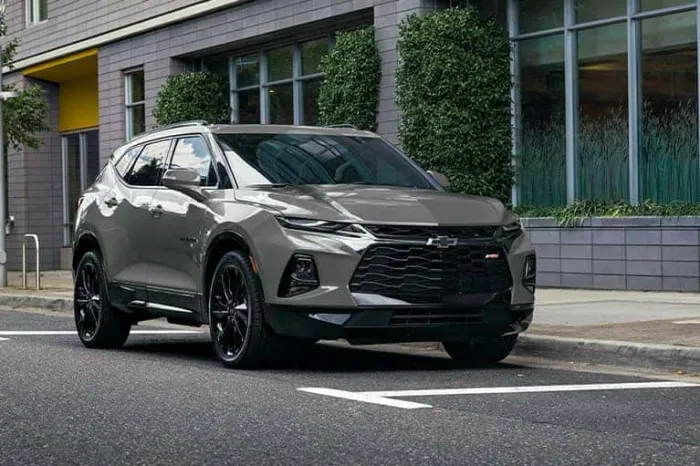
Chevrolet’s midsize SUV, the Blazer, has experienced a steady drop in sales since its peak in 2020, signaling challenges for the model in a highly competitive market. Despite the popularity of SUVs over the past decade, the Blazer’s sales have fallen sharply, with just 10,700 units sold in the first quarter of 2026. This figure represents a 26.3% decrease compared to the same period last year.
The Chevrolet Blazer was reintroduced in 2019 after a 14-year break, shifting from a traditional body-on-frame design to a more modern unibody platform. Initially, this change appeared to make the vehicle more appealing to mainstream buyers. However, after reaching nearly 95,000 sales in 2020, numbers have declined each year, falling to 46,531 units sold in 2025. Early trends for 2026 suggest the decline will continue.
Part of Chevrolet’s strategy to offset the decline has been the introduction of the Blazer EV in 2024. Although this electric version added a new option for buyers, its sales volume remains modest and is also facing downward pressure. The Blazer EV sold over 23,000 units in its first full year but dropped slightly to around 22,600 in 2025 and is on track for lower sales in 2026. Factors such as slower adoption of electric vehicles and the removal of federal tax credits have contributed to this slowdown.
Meanwhile, competitors in the midsize SUV segment have seen significant growth. The Honda Passport increased its U.S. sales by nearly 90% in 2025, reaching over 55,000 units. Similarly, the Nissan Murano more than doubled its sales to about 42,700 units, helped by a recent redesign. These rivals continue gaining momentum into early 2026 while the Blazer struggles to maintain market share.
Price does not appear to be the main issue for Chevrolet’s Blazer since it starts at $34,300, undercutting key competitors like the Passport and Murano by a considerable margin. Instead, practical factors such as limited cargo space and rear-seat headroom—due to its sloping roofline—make it less attractive for families needing more room or three-row seating options that some rivals offer.
Another challenge lies in branding. The Blazer name traditionally evokes rugged off-road capability with body-on-frame construction. The current model’s car-like design may not meet these expectations, potentially weakening its appeal among both loyal customers and new buyers.
Despite ongoing sales challenges and a shrinking market presence, Chevrolet has no plans to discontinue the Blazer. The company is reportedly working on an updated generation expected around the 2028 model year. Early spy photos suggest that this will be more of a significant refresh rather than a completely new redesign.
As Chevrolet prepares for future updates, it faces increasing competition from rivals that better meet consumer demands for space, versatility, and electric options. The Blazer’s continued decline underscores how critical it is for automakers to adapt quickly within the crowded SUV segment.
