
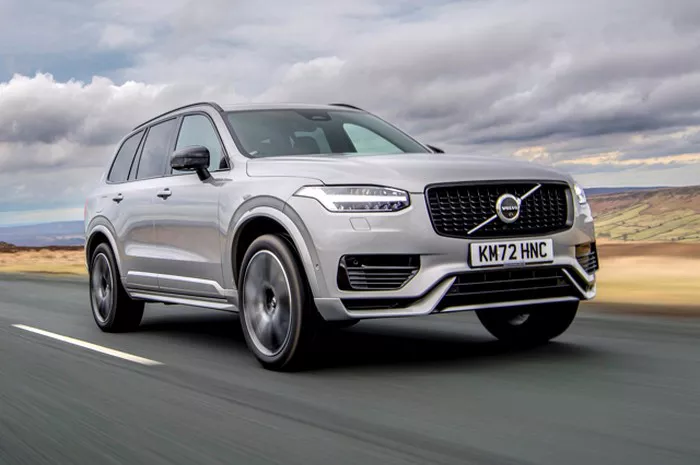
A recent assessment of automotive supply chain sustainability has highlighted a clear group of leaders among major car manufacturers. According to the 2026 Lead the Charge Leaderboard, Tesla, Ford, Volvo, Mercedes-Benz, and Volkswagen have significantly outperformed their peers in implementing environmentally responsible and socially conscious practices throughout their supply chains.
The evaluation examined multiple aspects of supply chain sustainability, including greenhouse gas emissions management, ethical sourcing of materials, waste reduction, energy efficiency in manufacturing, and overall transparency in supplier relationships. These companies have distinguished themselves by integrating sustainable practices not only in production but also in procurement and logistics, reflecting a holistic approach to environmental responsibility.
Tesla continues to leverage its focus on electric vehicles and renewable energy integration, ensuring that its battery production and assembly processes align with ambitious emissions reduction targets. Ford, meanwhile, has invested heavily in electrification and the decarbonization of its manufacturing plants, as well as adopting circular economy principles, including the reuse of materials and components.
Volvo has long been recognized for its commitment to sustainability, and the company maintains rigorous standards for supplier compliance with environmental regulations, alongside initiatives aimed at reducing carbon intensity across all vehicle production lines. Mercedes-Benz has made significant strides in reducing its operational footprint, incorporating renewable energy sources, and improving energy efficiency at both its vehicle assembly plants and battery facilities. Volkswagen has pursued a comprehensive approach, focusing on sustainable sourcing, decarbonization of production, and transparency in its supply chain reporting, which allows stakeholders to track environmental and social performance metrics.
The leaderboard’s findings underscore the growing importance of sustainability in the automotive sector. Regulators, investors, and consumers are increasingly prioritizing environmental performance, pushing manufacturers to adopt greener practices. For automakers, sustainability is no longer optional but a critical factor for competitive advantage and long-term viability.
Analysts suggest that companies leading in sustainable supply chains are not only mitigating environmental risks but also creating significant value. By adopting energy-efficient manufacturing, reducing material waste, and sourcing responsibly, these automakers can lower operational costs over time while enhancing brand reputation and meeting regulatory compliance more effectively.
Moreover, the industry-wide shift toward electric vehicles and alternative powertrains amplifies the importance of sustainable supply chains. As EV production scales globally, issues such as ethical sourcing of lithium, cobalt, and nickel become critical. Leaders like Tesla, Ford, Volvo, Mercedes-Benz, and Volkswagen are setting benchmarks in responsible sourcing, demonstrating that sustainability can be integrated even within highly complex, globalized supply networks.
This focus on sustainability aligns with broader market trends in 2026, where consumers increasingly weigh environmental performance alongside vehicle features, price, and reliability. With rising regulatory pressures, higher consumer awareness, and growing ESG-focused investment, these automakers are positioning themselves as leaders not only in technology and sales but also in corporate responsibility.
In summary, the 2026 Lead the Charge Leaderboard highlights that Tesla, Ford, Volvo, Mercedes-Benz, and Volkswagen are setting a new standard for the automotive industry. By prioritizing sustainability throughout their supply chains, these companies are demonstrating that profitability and environmental responsibility can go hand in hand, shaping the future of the global automotive market in an era defined by both innovation and environmental accountability.
