
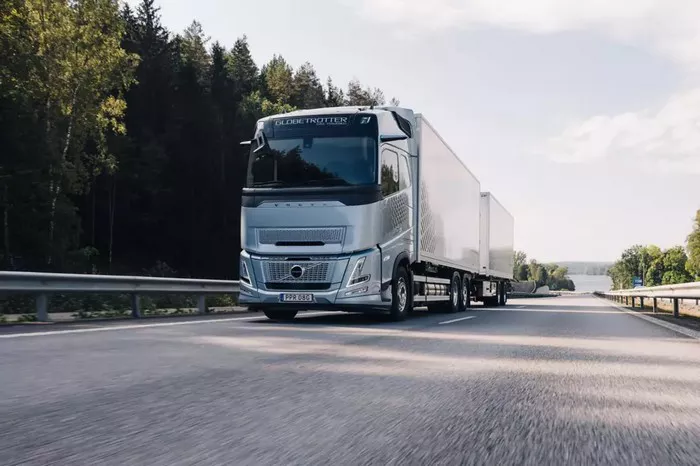
Volvo Trucks North America has dramatically expanded its truck software updates program, raising the share of connected vehicles running the latest software from 25% to over 80% in just six months. The company reports that this expansion contributed to a 24% reduction in unplanned stops, reflecting significant improvements in fleet uptime.
The program’s rapid growth was fueled by automatic over-the-air (OTA) updates. Successful updates have increased from roughly 1,000 per month to about 1,000 per day, streamlining the process for fleet managers and drivers.
At this year’s American Trucking Associations’ Technology & Maintenance Council (TMC) annual meeting, Madeline Sullivan, product expert at Volvo Trucks North America, highlighted how automation has transformed truck maintenance. “On our new trucks, the VNL and the VNR, they’re basically smartphones on wheels, which means that the truck you buy today is not necessarily the same truck even just six months later,” Sullivan said. “With automatic software updates, it’s easier than ever to keep them updated.”
Volvo evaluates its connected fleet daily and can deploy up to 10,000 updates per day. Updates now run in the background, minimizing the need for manual scheduling or dealer visits. “A truck delivered today will not be the same truck one year later; it continues to evolve,” said Peter Voorhoeve, president of Volvo Trucks North America. “With automated updates, fleets no longer need to manage software versions or request releases. Their trucks simply stay current, allowing us to continuously enhance performance, efficiency, and uptime based on our customers’ needs.”
Drivers receive notifications when updates are available and can install them while parked or during scheduled breaks, reducing service interruptions. Updates may include improvements to engine, transmission, and battery management systems without requiring dealer intervention.
Volvo Trucks also noted that fewer than 1% of fleets opted out of automatic updates, indicating strong customer adoption. “Fleets see real value in keeping their trucks continuously updated,” Voorhoeve said. “The results so far are impressive—fewer faults, fewer unplanned stops, and more uptime where it matters—on the road.”
