
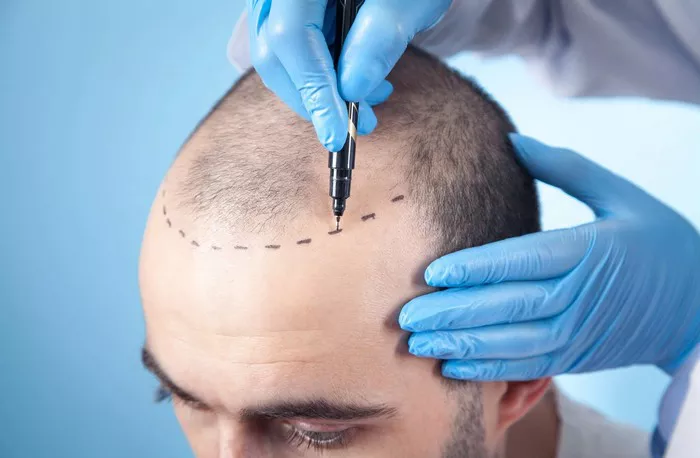
Hair transplantation is gaining momentum in Ghana, with a growing number of men and women in Accra turning to local clinics for permanent solutions to hair loss. Once viewed as a procedure reserved for celebrities or patients traveling abroad, hair restoration is increasingly becoming accessible within the country.
Industry observers attribute the shift to rising awareness of aesthetic medicine, particularly among young professionals and middle-aged individuals experiencing hair thinning, receding hairlines, or bald patches. Increased exposure through social media, advancements in medical technology, and evolving attitudes toward cosmetic procedures have all contributed to the growing interest.
Among the facilities benefiting from this trend is Accra-based Anasin Clinic. Representatives of the clinic report a significant increase in inquiries and consultations for hair transplant procedures over the past several years.
“We’ve seen a noticeable rise in consultations, especially among professionals seeking natural-looking, permanent solutions,” a representative from Anasin Clinic said. “Many people previously believed they had to travel to Turkey or Europe for high-quality procedures, but that perception is changing.”
Shift From Medical Tourism to Local Care
For years, countries such as Turkey have dominated the global hair transplant tourism market, attracting patients with competitive pricing and established reputations. However, Ghanaian practitioners say more patients are recognizing the practical advantages of undergoing treatment locally.
Convenience is a key factor driving the change. Traveling abroad for surgery typically involves airfare, accommodation expenses, visa requirements, and limited opportunities for follow-up care. By contrast, local procedures allow patients easier access to consultations and post-operative support.
“Aftercare is critical in hair transplantation,” the clinic explained. “When procedures are performed locally, patients can return for routine check-ups without the stress and additional cost of international travel.”
Cost considerations also play a role. While pricing varies depending on the number of grafts and the extent of hair loss, clinics note that when travel and accommodation expenses are factored in, undergoing the procedure in Accra can be significantly more economical overall.
Advances in Technique and Technology
Hair transplantation typically involves extracting healthy hair follicles from a donor area—commonly the back of the scalp—and implanting them into areas affected by hair loss. Modern techniques are designed to create natural growth patterns while minimizing visible scarring.
Medical professionals say improvements in precision tools and surgical methods have shortened recovery times and enhanced outcomes, making the procedure more appealing to individuals who may have previously been hesitant.
Anasin Clinic emphasizes that thorough consultation and medical evaluation remain essential components of the process.
“Not everyone is automatically a candidate,” the clinic noted. “We conduct comprehensive assessments to determine suitability and to ensure patients have realistic expectations about results.”
Changing Attitudes Toward Aesthetic Medicine
The rising demand for hair transplantation reflects a broader cultural shift in Ghana, where cosmetic and aesthetic treatments—once considered taboo in some circles—are gradually gaining acceptance.
Experts suggest that as disposable incomes increase and discussions around self-care and personal image become more common, demand for procedures such as hair transplantation is likely to continue growing.
For clinics operating in the space, maintaining professional standards while meeting increased demand remains a priority.
“Our goal is to provide services that are internationally comparable right here in Ghana,” the clinic representative said. “Patients should not feel compelled to leave the country to receive quality care.”
As Accra’s medical sector evolves, the growth of local hair transplant services signals a developing chapter in Ghana’s aesthetic healthcare industry—one increasingly shaped by domestic expertise, improved technology, and shifting consumer confidence.
