
As demand for non-invasive hair-loss treatments continues to grow, some consumers are increasingly turning to topical therapies designed to maintain density and prevent further thinning following medical procedures such as hair transplants.
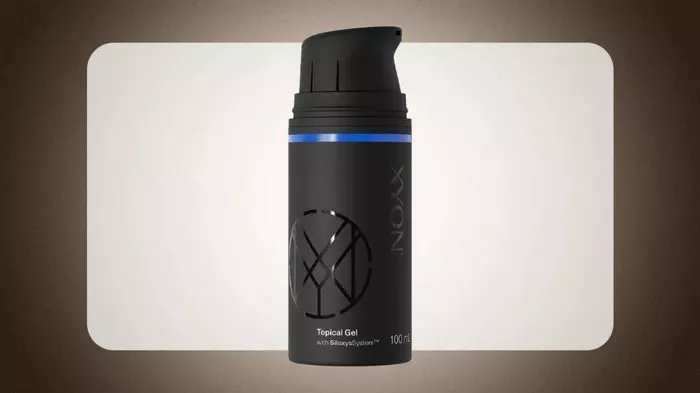
One such option attracting attention is Xyon’s SiloxysSystem, a silicone-based topical gel formulated to deliver medications such as finasteride, dutasteride, or minoxidil directly to the scalp through a slow-release mechanism. Users say the approach is intended to support existing hair while reducing the likelihood of additional surgical intervention.
Unlike traditional liquid applications that can evaporate quickly or spread beyond the target area, the SiloxysSystem gel creates a lightweight layer on the scalp, allowing active ingredients to absorb gradually over several hours. The product is typically applied along the hair part or in areas of visible thinning and left to dry, often overnight.
Advocates of localized treatment argue that topical delivery may help limit systemic exposure compared with oral medications, which are sometimes associated with side effects. Some studies have suggested that topical formulations of common hair-loss drugs can result in lower rates of certain adverse effects, though outcomes vary and medical supervision is recommended.
The company provides its higher-strength formulations through online medical consultations, while also marketing complementary products—including shampoo, conditioner, and scalp serums containing ingredients such as saw palmetto, caffeine, and peptides—aimed at supporting scalp health and improving the appearance of fullness. The brand says these products are designed to promote circulation and reduce the buildup of dihydrotestosterone (DHT), a hormone linked to androgenetic hair loss.
Users frequently cite convenience as a key factor in adopting gel-based systems. Because the same delivery method can be used for different formulations, routines remain relatively simple, which may improve adherence—an important factor in treatments that require long-term consistency to maintain results.
Medical professionals emphasize that individuals experiencing hair loss should consult qualified healthcare providers before starting any treatment regimen, as effectiveness and suitability can differ depending on the cause and progression of hair thinning.
The rising interest in topical, slow-release therapies reflects a broader shift in the hair-restoration market toward maintenance-focused strategies that aim to preserve existing hair alongside, or instead of, surgical solutions.
