
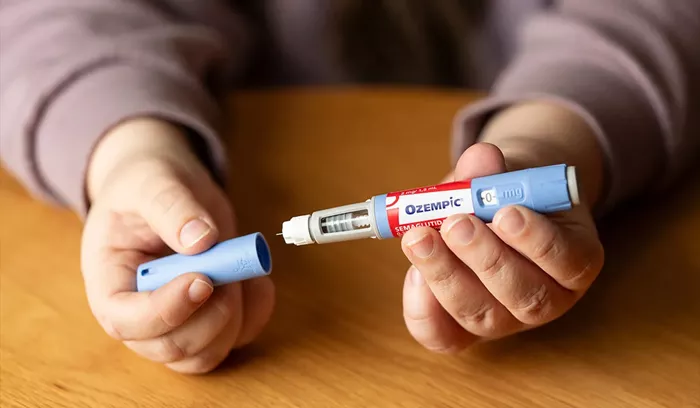
Novo Nordisk announced Tuesday that it will significantly reduce U.S. prices for its blockbuster medications Wegovy and Ozempic starting in 2027, underscoring mounting competition in the fast-growing market for weight-loss and diabetes treatments.
The Danish pharmaceutical company said the drugs will be priced at $675 per month beginning in January 2027, marking a 50% price reduction for Wegovy and a 35% decrease for Ozempic. Novo Nordisk added that it will offer Rybelsus—an oral treatment for adults with type 2 diabetes that is sometimes prescribed for weight management—at the same monthly price.
The move comes as Novo Nordisk faces increasing pressure from rivals, particularly Eli Lilly, whose injectable therapies Mounjaro and Zepbound have gained traction among patients seeking weight-loss solutions. Additional manufacturers are also developing GLP-1–based treatments, further intensifying competition in the category.
Wegovy and Ozempic are among dozens of medications listed at discounted rates on Trumprx.gov, an online platform launched by the Trump administration that provides consumers with direct access to lower-cost prescriptions for roughly 40 drugs.
Novo Nordisk had already introduced a new pricing structure for Wegovy and Ozempic in November aimed at lowering costs for certain patients. The company said its latest cuts are intended to broaden affordability, particularly for individuals enrolled in high-deductible insurance plans who often face substantial out-of-pocket expenses.
“Private and public payers, as well as patients, want access and have been calling for lower list prices,” said Jamey Miller, executive vice president of U.S. operations at Novo Nordisk, in a statement.
The company noted that the new pricing will not affect its existing “direct-to-patient” programs, under which some manufacturers provide medications to consumers at discounted rates outside traditional insurance channels.
The announcement reflects a shifting landscape in the obesity and diabetes drug market, where demand remains strong but pricing pressure is increasing as new entrants compete for market share and policymakers push for broader access.
