
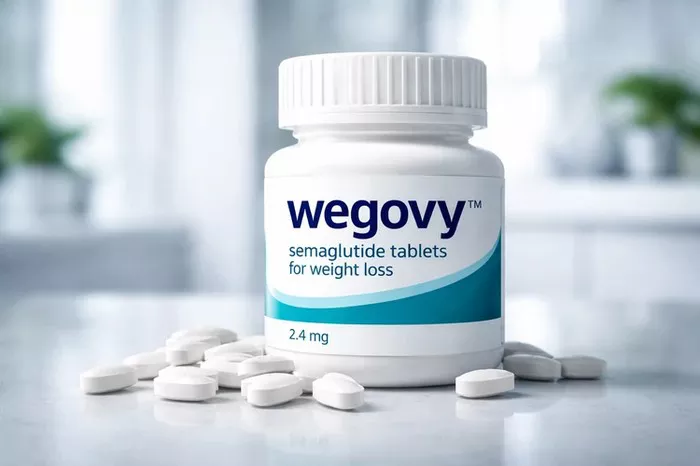
A new weight loss pill, Wegovy, is being hailed by doctors as a potential game changer in the fight against obesity, but experts caution that patients should approach it carefully.
Just weeks after its release, nearly 200,000 people are reportedly taking the oral medication, according to the manufacturer. Offering convenience and a lower cost compared with injectable semaglutides, the pill has quickly gained popularity—but some physicians urge caution.
“The efficacy is about the same as injections—roughly 15% weight loss over a year,” said Dr. Nidhi Kansal, an Internal Medicine and Obesity Medicine specialist at Northwestern.
Affordability is another factor driving interest. Without insurance, Wegovy pills start at approximately $150 per month, depending on the dose—considerably less than the company’s once-weekly injections. With insurance, Kansal notes, the cost could drop to around $25 per month.
Despite its convenience, the pill is intended only for patients meeting specific health criteria. “Body mass index over 30, or BMI over 27 with a weight-related health condition such as pre-diabetes, hypertension, or fatty liver,” Kansal explained.
Meanwhile, social media is flooded with ads promoting compounded versions of GLP‑1 medications, such as those offered by companies like Willow Health. Some ads suggest that even modest weight loss goals can be achieved with these products, potentially misleading consumers about their safety and effectiveness.
“Quick weight loss isn’t always healthy,” Kansal warned. “If you don’t have diabetes or pre-diabetes, lowering your blood sugar can be dangerous. Rapid weight loss can harm metabolism and brain chemistry, and stopping the drug often leads to rapid weight regain. These medications aren’t intended for short-term use.”
Willow Health has faced scrutiny from the Better Business Bureau’s National Advertising Division and Novo Nordisk—the maker of Ozempic and Wegovy—for unproven claims about its compounded semaglutide products. Federal regulators, including the FDA, are reportedly reviewing the company’s practices.
The FDA has recently intensified its crackdown on telehealth firms like Hims & Hers that sell weight-loss medications not approved by the agency. Companies are prohibited from claiming their compounded products contain the same active ingredients as FDA-approved drugs or that they are clinically proven to work. The agency has issued warning letters and indicated that further legal action, including injunctions or seizures, could follow.
“Weight loss alone doesn’t equal better health,” Kansal added. “Some patients lose too much muscle, see higher blood sugar levels, and feel weaker overall. Medications like these should be part of a long-term, supervised plan—ideally a lifelong commitment for those taking them appropriately.”
