
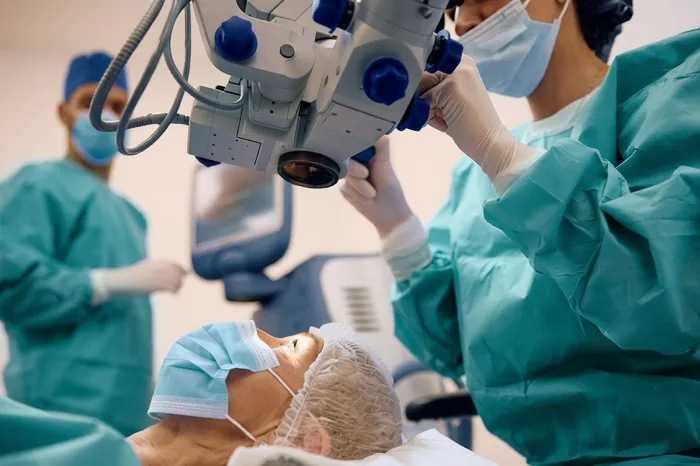
Over 94 million people worldwide currently suffer from cataracts, according to the World Health Organization (WHO), yet half of them do not have access to the surgery needed to restore their sight. Cataracts, which cause clouding of the eye’s lens and often lead to blurred vision or even blindness, are becoming more common as global populations age. Age is considered the main risk factor, but other contributors such as long-term exposure to UV-B light, use of tobacco, certain medications, and diabetes can also increase risk.
Cataract surgery is a relatively simple and quick procedure, usually lasting about 15 minutes. It is recognized as one of the most cost-effective medical treatments, producing immediate and long-lasting results. In wealthier nations, cataract surgery is performed frequently, but in many parts of the world, especially in Africa, large numbers of patients are unable to receive the operation. WHO experts revealed that in Africa, three out of every four people needing the surgery remain untreated. In Kenya, for example, 77 percent of people who need cataract surgery may spend the rest of their lives visually impaired or blind due to lack of treatment.
Women face additional barriers to accessing cataract surgery compared to men, leading to greater inequality in many countries. Among the 94 million people affected globally, fewer than 20 percent are fully blind, while most struggle with significant vision impairment that affects their daily lives.
Although the coverage of cataract surgery has increased by 15 percent worldwide over the past two decades, WHO officials warn that progress is too slow. A goal was set in 2021 to increase coverage by 30 percent by 2030, but current predictions show global treatment rates will rise only about 8.4 percent this decade. WHO is encouraging nations to make eye exams part of routine medical care, invest in surgical resources, and expand the eye-care workforce, especially outside major urban centers. New guidelines were launched to help countries improve both access to and quality of cataract surgery services and to support healthcare worker training.
Financial barriers continue to limit treatment in many regions, with the cost of the artificial lens required for surgery sometimes under $100, but total expenses can be much higher without insurance coverage. WHO stresses that timely cataract surgery offers people the chance to regain independence, dignity, and new opportunities. Regular eye checkups are recommended for early diagnosis and effective treatment, especially as the global population continues to age.
