
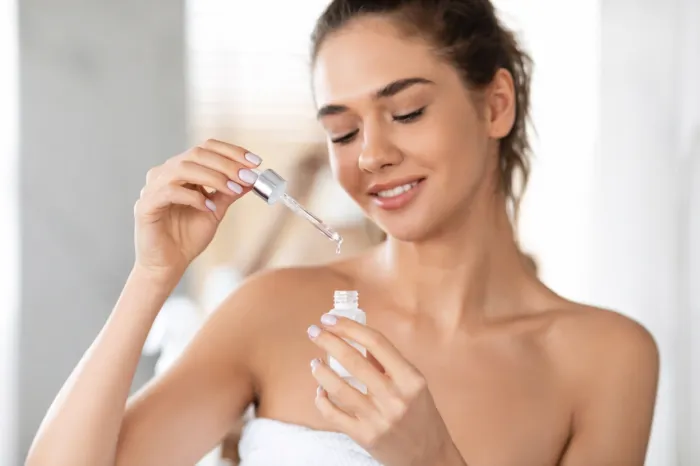
Bio Foam Serums are rapidly changing the landscape of personal care and dermatological treatments worldwide. These serums, made from plant-based surfactants and biodegradable ingredients, offer a lightweight, foaming texture that appeals to consumers seeking clean beauty and sustainable choices. They have found widespread use in a variety of skin and hair care routines, including facial skincare, acne treatments, scalp therapy, wound care, and baby care, with growing popularity due to their quick absorption and hygienic dispensing.
The global market for Bio Foam Serums is poised for significant growth. By 2025, the market value is projected at over $3.4 billion, with expectations to reach more than $6 billion by 2031. Industry forecasts suggest a robust annual growth rate, driven by consumer preferences shifting toward vegan, eco-friendly, and refillable packaging. A single unit averages a selling price of $38, with strong profit margins for manufacturers. This makes the sector highly attractive for businesses and investors looking for sustainable and innovative opportunities.
Technological advancements are fueling this surge. Recent innovations include recyclable, airless foamer bottles that reduce plastic use, micro-bubble delivery systems that enhance absorption, and AI-driven formulation platforms that speed up product development. The introduction of waterless foam concentrates lowers shipping costs and the environmental footprint. Further developments in cold-process emulsification, sugar-based surfactants, and carbon-neutral manufacturing are also reshaping the industry.
Asia is at the forefront of this market expansion, accounting for nearly 42% of global demand. Countries like China, Japan, South Korea, and India lead the region, leveraging popular local beauty trends and strong acceptance of foam-based products. E-commerce continues to play a key role, with over half of beauty product sales occurring online. In Southeast Asia, the demand is rising fastest, bolstered by a young population, humid climate, and the influence of social media on beauty trends.
Despite the positive outlook, manufacturers face challenges such as the higher cost of bio-derived ingredients, sensitivity of foam stability to temperature, and packaging compatibility issues. Competition from traditional creams and gels remains strong. However, companies are addressing these issues through vertical integration, local production plants to cut transport costs, and collaborations with dermatology clinics to boost product credibility. As leading global brands and regional players continue to invest in innovation and sustainability, Bio Foam Serums are set to become a mainstay in personal care for years to come.
