
Many homeowners struggle to keep their kitchen towels looking fresh and white, often reaching for baking soda as a go-to cleaning agent. However, baking soda is not always effective for removing the deep-set stains and dullness that build up over time. Kitchen towels, especially those used for heavy cooking, tend to develop stubborn discoloration due to grease, hard water minerals, and food pigments that ordinary detergent and baking soda cannot fully eliminate.
Textile care experts highlight that baking soda is best for minor spills and mild odors but falls short when it comes to breaking down grease and proteins locked into towel fibers. The common practice of scrubbing stains with a baking soda paste and then washing fails to address the unseen buildup causing towels to look dull. Hard water compounds the problem, as minerals mix with baking soda, leading to a residue that can make towels even less absorbent and less vibrant.
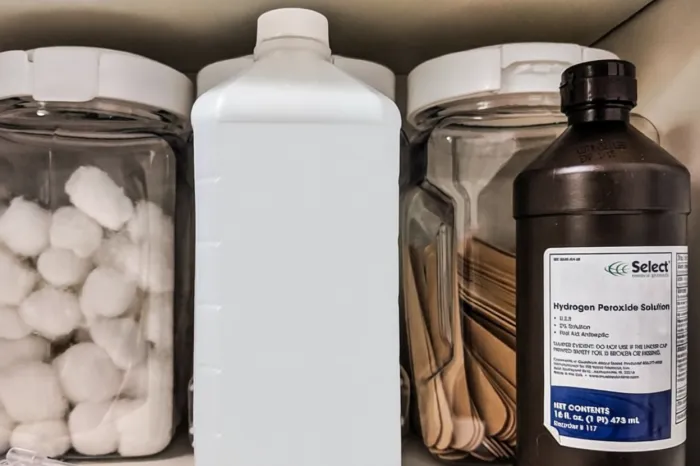
Instead, many professional cleaners recommend using 3% hydrogen peroxide—a simple item found in most medicine cabinets—to restore the original white look to kitchen towels. When mixed with hot water and enzyme-based detergent, hydrogen peroxide oxidizes and lifts the stains from the fabric. The process involves soaking towels for several hours or overnight, followed by a regular wash and air drying in sunlight, which boosts natural bleaching. Enzyme detergents are especially helpful as they target grease and protein stains. However, experts urge caution: use only the 3% solution and always rinse thoroughly to prevent fabric damage. Hydrogen peroxide should not be mixed with other cleaning products, and it’s wise to test on a small area first, especially if towels are delicate or vintage.
The results can be dramatic, with towels appearing almost new after the treatment. Removing grease buildup also improves absorbency, making towels more effective at drying dishes and cleaning surfaces. This simple method, long known among professional cleaners, is both affordable and easy for home use. Many people find they need to replace towels less often, and the fresh look enhances the cleanliness of the kitchen environment.
For ongoing towel care, professionals suggest incorporating the peroxide soaking process into regular routines instead of waiting until towels look severely stained. Rinsing towels immediately after oily spills, washing them separately in hot water, and rotating sets can help maintain their brightness. It is also recommended to replace kitchen towels every year or two, regardless of appearance, to preserve hygiene.
Hydrogen peroxide works well on white items such as socks and pillowcases, but it should not be used on colored fabrics, as it will bleach them. Regular enzyme detergent use is preferred for best results, and thorough rinsing is important to avoid any weakening of the fabric. Homeowners who have switched to this method report both visual and practical improvements, making household chores a more pleasant experience.
