
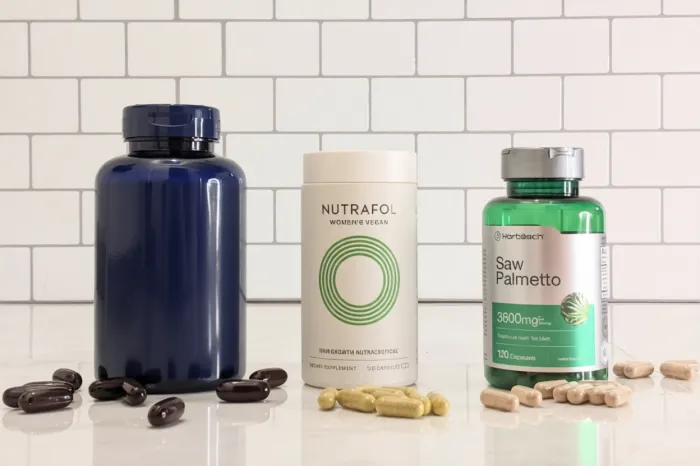
Many people undergoing cancer treatment experience distressing hair loss and often look for supplements to help regrow hair. However, medical experts caution that popular over-the-counter vitamins—especially those containing biotin—could be more harmful than helpful for cancer patients.
Dr. Brittany Dulmage, an oncodermatologist at The Ohio State University Wexner Medical Center, has highlighted concerns about biotin, a key ingredient marketed for hair growth. According to Dulmage, evidence supporting biotin’s effectiveness in treating hair loss is very limited. She points out that while biotin is included in hair, skin, and nail supplements, scientific studies show little benefit in improving hair condition.
The main risk with biotin is not its actual effect on the body but how it can interfere with blood tests. Biotin can change the way chemicals in blood samples interact, leading to wrongly high or low test results, especially for hormone levels. This interference can make it hard for doctors to monitor the progress of cancer treatment or decide whether to continue, change, or stop medication, as accurate lab tests are essential for these important decisions.
Despite these risks, biotin is often suggested by oncologists because it belongs to the B vitamin group, which most people think is safe. Many patients start taking these supplements based on recommendations from their doctors or out of concern for their appearance and health. In a study conducted by Dr. Dulmage’s team, out of over 200 surveyed patients, supplement use was the most common self-treatment, but only a small number sought advice from specialists like dermatologists.
Dr. Dulmage advises cancer patients to avoid hair, skin, and nail blends, and instead suggests checking iron levels only if they are deficient. Consulting with pharmacists is also highly recommended to evaluate any risks tied to supplements and prescribed drugs. For those wanting to address hair thinning safely, topical minoxidil is considered an effective option that does not interfere with cancer treatments and is supported by many years of research.
The issue serves as a reminder to patients and oncologists that not all natural supplements are risk-free. Careful attention to supplement ingredients and open consultation with healthcare professionals is crucial for those undergoing cancer treatment.
