
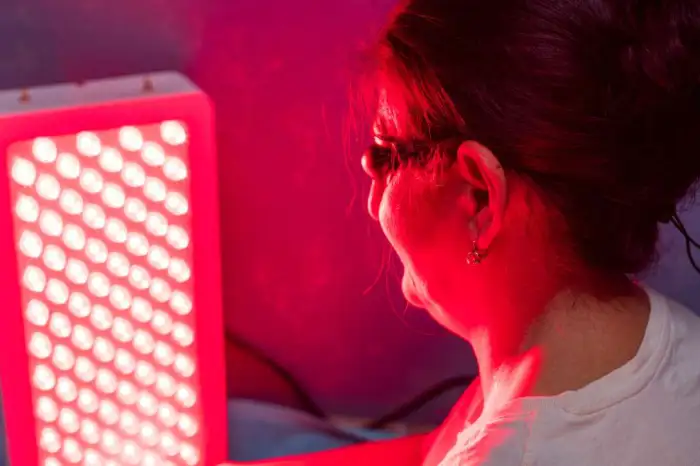
A recent study has found that some commercially available red light therapy devices for myopia control may exceed established safety levels, raising concerns about potential risks to vision, especially among children.
Researchers from the University of Houston College of Optometry examined four popular devices used for slowing myopia progression by delivering red light therapy. These devices included Sky-n1201, Future Vision, Eyerising Myopia Management Device, and AirDoc Photobiomodulation. The team measured their optical output and classified their safety according to guidelines from the American National Standards Institute (ANSI).
The evaluation revealed that two of the laser-based devices, Sky-n1201 and EyeRising, reached safety limits in under three seconds of exposure time for larger pupil sizes. Both devices fell into safety classes that indicate higher risk with prolonged use. Another device, Future Vision, met safety limits only after much longer exposure but remained within a safer classification. The fourth device, AirDoc, used LED light, which required far longer exposure to reach safety limits, suggesting it poses a lower safety risk, although its effectiveness for myopia control has not yet been published in clinical trials.
The recommended treatment period for red light therapy is 180 seconds, but the study’s findings showed that some devices may exceed safe viewing times much sooner. Previous clinical reports have linked repeated use of these devices to retinal changes, decreased receptor density, and mild structural damage in some children. With regulatory approval for one device already granted in several countries and tens of thousands of treatment sessions reported worldwide, safety concerns are becoming increasingly important.
Study authors Lisa A. Ostrin and Alexander W. Schill have urged eye care professionals, researchers, and regulators to demand rigorous, independent safety tests before widespread pediatric adoption. They stress the need to balance therapeutic benefits against potential eyesight risks, calling for comprehensive monitoring and further research to ensure that these interventions truly protect lifelong vision without causing unintended harm.
