
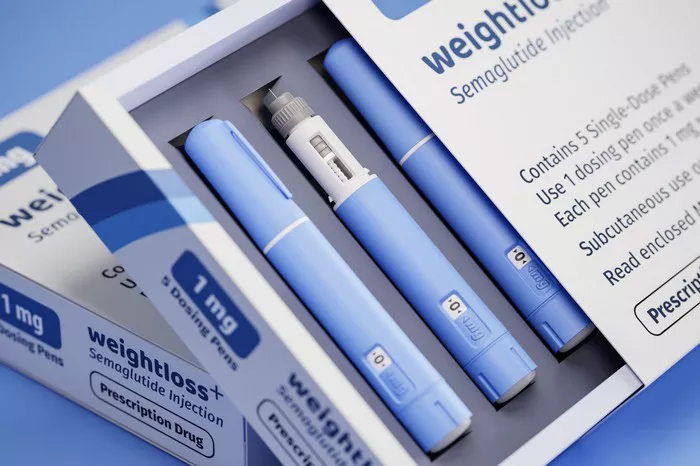
The popularity of weight-loss drugs in the United States is skyrocketing, with one in eight adults now using GLP-1 medications to shed pounds or manage chronic conditions, according to a November survey by health policy organization KFF.
The GLP-1 sector has become a multibillion-dollar industry. Medications such as Ozempic and Wegovy generated more than $31 billion in revenue for Danish pharmaceutical company Novo Nordisk in 2024, representing a significant portion of Denmark’s GDP, Reuters reports.
Beyond healthcare, GLP-1s have entered popular culture. Celebrities openly endorse or admit to using these drugs, while social media buzzes with conversations about “Ozempic face,” a term describing changes from rapid weight loss. The recent introduction of GLP-1 pills, previously only available as injectables, is expected to drive further adoption.
Changing Consumption Patterns
The effects of GLP-1s extend beyond individual health, influencing spending habits across multiple sectors. Studies indicate that these medications can reduce appetite and cravings, altering eating behaviors.
“When they’re losing weight, people sometimes go, ‘I’m not as hungry’ … and ‘I just don’t eat as much as I used to,’” said Nicolette Pace, a New York-based registered dietitian.
GLP-1s also affect the brain’s “reward centers,” reducing the pleasure derived from ultra-processed foods, according to Dr. Will Haas, a board-certified integrative medicine physician in North Carolina.
As a result, grocery spending declines. A study published in the Journal of Market Research found households with at least one GLP-1 user saw grocery expenditures drop by more than 5% within six months. Similarly, Bain & Company reported that U.S. consumers on GLP-1s spend roughly 5% less on fast food.
Major fast-food chains are feeling the impact. Analysts have called weight-loss drugs “demand disruptors,” with McDonald’s potentially losing 28 million customer visits and $482 million annually due to the growing popularity of GLP-1 medications, CBS News reports.
Some food brands are attempting to adapt, marketing products as “GLP-1 friendly,” particularly high-protein items. However, these labels remain unregulated, and dietitians advise consumers to carefully review ingredients and maintain balanced nutrition.
Beyond Food: Alcohol and Beverage Trends
Weight-loss drugs are also linked to reduced alcohol consumption. Haas noted that many GLP-1 users report lower cravings for alcohol, a trend confirmed by a March 2025 EY-Parthenon survey, which found 44% of users drink less while 82% maintain these habits even after stopping the medication.
Industry observers suggest this decline may have contributed to last summer’s dip in alcohol sales, with companies like Brown-Forman citing GLP-1s and changing drinking patterns among younger adults as pressure points.
GLP-1 users are reportedly reducing intake of other beverages, including coffee and soda, posing potential challenges for major beverage makers. Coca-Cola, however, claims its range of low- and no-calorie drinks positions the company to adapt to evolving consumer preferences.
Industry-Wide Ripple Effects
The effects of GLP-1s extend even further. Airlines benefit from lighter passengers, potentially reducing fuel costs by up to $580 million in the coming year, according to a report by Jefferies.
Fashion and beauty sectors are also adjusting. Smaller clothing sizes are seeing rising sales, while brands may face inventory and margin risks if they do not adapt to new sizing trends. Beauty companies have begun developing GLP-1-specific skincare to address side effects such as dry or tight skin, Vogue reports.
Fitness habits are evolving as well. Patients increasingly incorporate resistance training to preserve muscle mass while losing weight. Gym chains, including Life Time, are launching tailored programs to support GLP-1 users in combining exercise with medication.
Conclusion
GLP-1 weight-loss medications are reshaping consumption, lifestyle, and even industrial economics across the United States. From grocery bills and fast-food sales to fashion trends and airline fuel costs, the ripple effects of these drugs underscore their influence far beyond personal health.
