
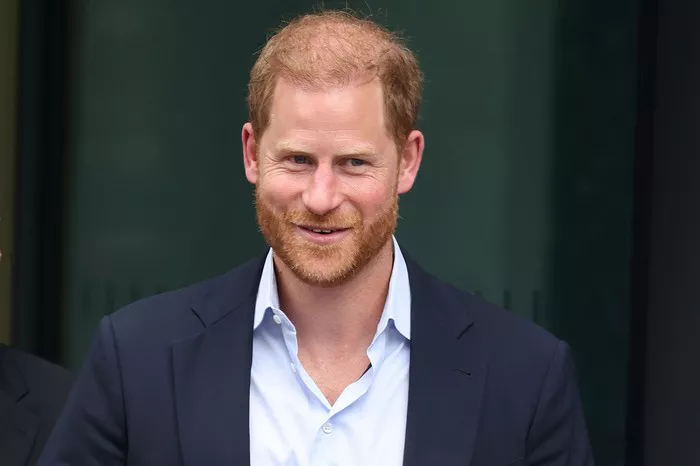
Royal brothers Prince William and Prince Harry share a history of male pattern baldness, a common condition affecting up to half of men and often linked to genetics. While Prince William appeared to embrace his hair loss, famously shaving his head in 2018, Prince Harry has taken a different approach. His recent appearance at the 2026 Sundance Film Festival sparked speculation after a noticeable change in his hair’s appearance.
Just days before the event, photos showed Harry with significant thinning on the top of his head. At Sundance, however, his hair appeared much fuller, prompting social media users to suggest that he may have used hair dye, hair fiber sprays, or a combination of cosmetic techniques to enhance his look.
The scrutiny on Harry’s hair is amplified by his high-profile status and past remarks about his brother’s baldness. In his 2023 memoir, Harry described William’s hair loss as “alarming.” Despite this, Harry’s concern over his own hair is far from unusual. Studies show that male hair loss, while common, can carry substantial emotional consequences.
Hair Loss and Mental Health
Research underscores the psychological impact of hair loss on men. A 2022 review in the Journal of Dermatology, analyzing 13 studies, found that nearly one-third of men reported preoccupation with hair thinning, often coping by covering their scalp or dressing more carefully. Overall, the review concluded that hair loss can significantly affect quality of life.
Similarly, a 2021 review in JAMA Dermatology of 41 studies highlighted links between baldness and declines in both emotional and physical health, suggesting mental health support as a potential intervention. A 2025 SSRN review reported that hair loss could reduce self-esteem by up to 35% and increase depression rates by up to 25% in men.
The Stress-Hair Loss Cycle
Hair is more than a cosmetic feature; it has psychological and physical significance. Stress associated with hair loss can exacerbate the problem, creating a cycle of anxiety and additional hair shedding. The U.S. National Institutes of Health identifies telogen effluvium, a stress-related hair loss disorder, which can cause visible thinning. While hair lost due to stress can often regrow, genetically driven baldness—as seen in both Prince William and Prince Harry—typically progresses over time.
Prince Harry has openly discussed living with anxiety and depression, making the intersection of mental health and hair loss particularly relevant. According to the CDC, prolonged depression can negatively affect cardiovascular and overall health, further linking emotional well-being with physical outcomes.
Prince Harry’s hair choices, from cosmetic enhancements to careful styling, are emblematic of a broader reality for many men: hair loss is more than skin deep. It affects confidence, mental health, and social perception, and its management often becomes a deeply personal matter.
