
Most of us think about hair in terms of appearance—covering roots, taming split ends, or trying to restore shine. But sudden changes such as increased greying, unusual shedding, or persistent dryness may actually be early warning signs of underlying health problems.
Dr. Margo Gkini, a consultant dermatologist specializing in hair disorders, explains that hair often reveals the first signs of illness, nutritional deficiencies, or stress before other symptoms appear. “The hair follicle is a mini-organ deep within the skin, primarily responsible for growing and anchoring hair,” she says. “It is highly sensitive to changes in the body because it is a dynamic, fast-cycling structure that can be disrupted by metabolic, hormonal, nutritional, or inflammatory changes associated with illness, deficiency, or stress.”
Hair grows rapidly—second only to bone marrow—and effectively records a biological timeline of the body’s health. Each centimeter of hair reflects about a month’s worth of nutrient intake, hormonal shifts, toxin exposure, and stress levels. Because hair requires significant energy to grow, the body may deprioritize it when under strain, triggering changes in texture, density, or shedding. Conditions such as illness, inflammation, thyroid dysfunction, hormonal fluctuation, high fever, sudden weight loss, surgery, childbirth, or psychological stress can all impact hair health.
Hair Shedding
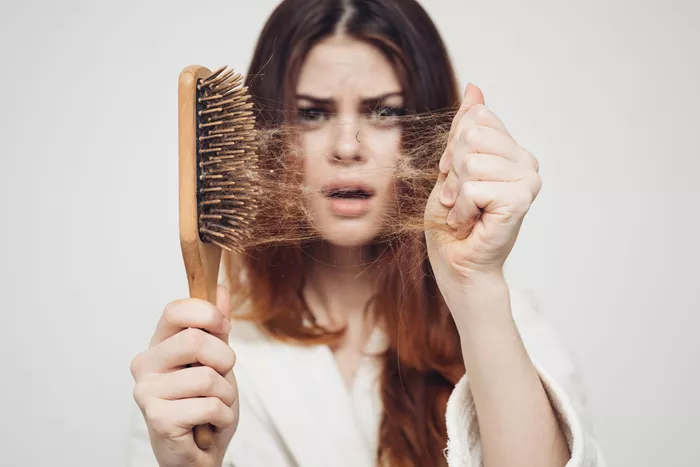
Shedding 50 to 100 hairs per day is normal. However, losing large clumps, developing bald patches, or noticing a sudden increase in shedding over a few weeks may indicate telogen effluvium—a temporary hair loss caused by stress to the body. Surgery, illness, childbirth, low iron levels, thyroid disorders, chronic inflammation, and certain medications can trigger this condition.
Dr. Gkini notes, “Stress—both physical and mental—can force hair follicles prematurely from the active growth phase into the resting phase, causing noticeable hair loss months later.” Viruses, including Covid-19, have also been linked to temporary hair shedding, typically occurring three to six months after infection. Most patients regain their hair within a few months, but persistent, unexplained shedding should prompt a GP consultation for early intervention.
Dry and Dull Hair
While seasonal changes, weather, styling habits, or temporary stress can affect hair texture, persistently dry, brittle, or dull hair may signal an underlying imbalance. Kelly Morrell, an aesthetic practitioner specializing in hair restoration, explains, “Hair that has lost its shine or volume could indicate deficiencies in vitamins or minerals such as iron, B12, vitamin D, zinc, selenium, or magnesium. Stress and thyroid issues can also contribute.”
Iron deficiency is a particularly common cause of poor hair quality, especially in women. Low ferritin levels disrupt hair growth and moisture retention, leaving hair rough and fragile. Similarly, hypothyroidism can reduce oil production in the scalp, causing persistent dryness. Chronic stress can further disrupt scalp barrier function and sebum balance. Blood tests checking iron levels and thyroid function may help identify these issues.
Early Detection Is Key
Experts agree that monitoring hair changes can provide valuable insights into overall health. Persistent alterations in shedding, texture, or color are signals not to ignore. Simple medical tests and timely intervention can prevent long-term damage and support hair recovery.
