
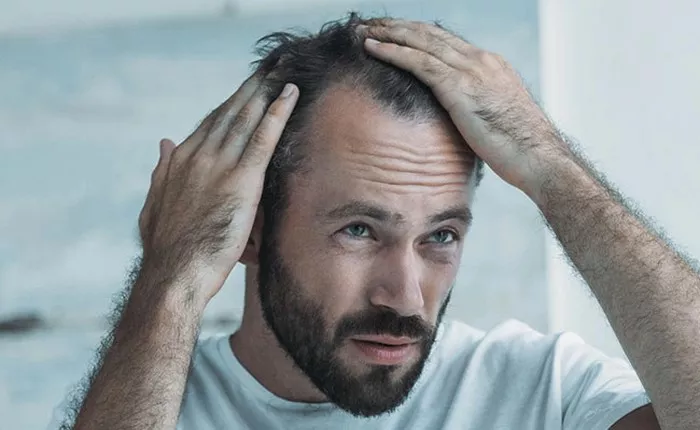
Hair loss often feels sudden and alarming, but for many people the damage begins quietly long before noticeable shedding occurs. According to Dr. Dina Strachan, a New York City–based board-certified dermatologist, everyday habits that place constant tension on the hair and scalp are a frequently overlooked cause of gradual hair thinning.
Dr. Strachan, who specializes in hair loss disorders, says many patients are surprised to learn that routine styling choices can significantly affect long-term hair health. “Certain hairstyles can trigger hair loss or cause hair loss,” she explains, pointing to a condition known as traction alopecia. This form of hair loss develops when hair follicles are repeatedly pulled or stressed, weakening them over time until they struggle to produce healthy hair.
Hairstyles that rely on sustained tension are among the most common triggers Dr. Strachan encounters in her practice. Tight ponytails, sleek buns, tightly pulled braids, heavy dreadlocks, and weaves may appear neat and fashionable, but they place continuous strain on the scalp. “Anything that puts tension on the hair can all cause hair loss,” she notes.
One of the challenges with traction-related hair loss is its slow and subtle onset. Unlike sudden shedding, the process unfolds gradually as follicles endure repeated stress. Over time, this pulling can inflame the scalp, disrupt normal hair growth cycles, and lead to finer strands, a receding hairline, or thinning patches—often concentrated in the areas under the most tension.
Dr. Strachan emphasizes that the issue is not about criticizing cultural or personal style choices, but about understanding hair biology. Hair follicles are living structures, she explains, and constant pulling weakens them much like repeated friction weakens skin.
The overlooked role of hats and headwear
Beyond hairstyles, Dr. Strachan also highlights tight hats and headwear as an underestimated contributor to hair loss. “Hats can cause hair loss if they cause damage to the scalp, if they cause trauma,” she says. Caps or helmets that fit too snugly and rub against the same areas of the scalp for long periods can create friction and pulling similar to tight hairstyles.
When worn frequently, especially for extended hours, this combination of pressure and friction can contribute to traction alopecia. Dr. Strachan advises thinking of the risk as cumulative: sustained tension plus friction over time increases the likelihood of damage. She stresses that hats do not need to be avoided altogether, but fit and frequency matter. A well-fitting hat worn occasionally is unlikely to cause harm, while constant pressure on the same scalp areas can add up.
Why early awareness matters
One of Dr. Strachan’s key messages is that hair loss caused by tension is often preventable—and sometimes reversible—if identified early. Once follicles are severely damaged, regrowth becomes far more difficult. She warns that ongoing stress on the scalp can also trigger other types of hair loss.
Early warning signs are frequently ignored, she says. Symptoms such as scalp tenderness, itching along the hairline, or breakage around the edges can signal that follicles are under strain and need relief.
Small changes, long-term protection
Rather than drastic measures, Dr. Strachan encourages small, practical adjustments. Loosening hairstyles, alternating parts, taking breaks from tight styles, and opting for lighter extensions can significantly reduce stress on follicles. When it comes to hats, choosing a comfortable fit and limiting prolonged wear can make a meaningful difference.
Hair loss, she reminds patients, is rarely caused by a single habit. Instead, small daily choices compound over time. By easing tension and treating hair more gently, many people can protect their follicles long before visible thinning appears. In Dr. Strachan’s view, prevention often begins not in a clinic, but in front of the mirror each morning.
