
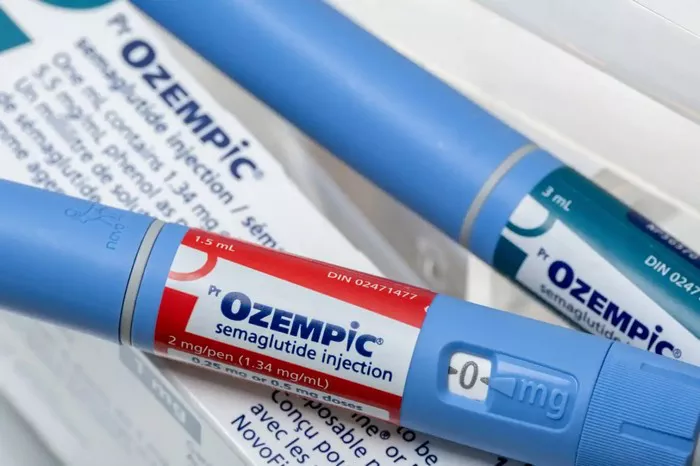
A growing wave of lawsuits is targeting popular GLP-1 weight-loss medications, including Ozempic, Wegovy, and Mounjaro, amid allegations that the drugs caused severe and sometimes permanent health problems without adequate warnings.
Three cases highlight the potential dangers associated with the drugs:
- Maryland truck driver Todd Engel alleges that Ozempic caused him to suffer an “eye stroke,” leaving him blind in both eyes.
- Oklahoma real estate agent JoHelen McClain claims her colon ruptured while driving her granddaughter home, following months on Wegovy.
- Louisiana woman Robin Smith developed Wernicke’s encephalopathy, a serious neurological disorder linked to vitamin deficiency, after taking Mounjaro.
All three plaintiffs, along with thousands of others, allege that the manufacturers failed to sufficiently warn about the drugs’ potential severe side effects.
Rapid Growth and Widespread Use
GLP-1 receptor agonists, originally developed to treat type 2 diabetes, have become widely prescribed for weight loss. These drugs mimic a natural hormone that slows digestion, boosts insulin, and increases feelings of fullness. Millions of Americans now use them to manage diabetes, reduce heart disease risk, and combat obesity—the first decline in U.S. obesity rates in over a decade.
According to the Kaiser Family Foundation, approximately 12% of U.S. adults—more than 31 million people—are currently using a GLP-1 drug.
Since 2023, more than 4,400 patients have filed lawsuits in federal and state courts, with cases consolidated into multidistrict litigation. Legal experts expect these numbers to grow, with court proceedings likely continuing for several years.
Allegations and Reported Injuries
The lawsuits, primarily against Novo Nordisk (makers of Ozempic, Wegovy, Rybelsus, Victoza, Saxenda) and Eli Lilly (makers of Mounjaro, Trulicity, Zepbound), allege the drugs caused a range of serious complications:
- Gastroparesis (stomach paralysis): Alleged in 75% of cases.
- Ileus (bowel muscles failing to move food): 18%.
- Intestinal obstruction: 18%.
- Gallbladder injuries, severe gastrointestinal issues: 8% each.
- Vision loss or severe eye problems: At least 110 plaintiffs report sudden blindness or changes in vision.
- Neurological disorders: Including Wernicke’s encephalopathy, causing mental confusion, double vision, and poor coordination.
Many plaintiffs report experiencing multiple side effects simultaneously.
Manufacturer Responses
Both Novo Nordisk and Eli Lilly have denied the allegations, emphasizing the drugs’ safety profiles. Novo Nordisk noted its products’ labeling has been updated in cooperation with the FDA, reflecting known risks. Eli Lilly highlighted that Mounjaro, Zepbound, and Trulicity labels include FDA-approved warnings about potential severe gastrointestinal reactions.
Legal experts note that proving causation will be a major challenge for plaintiffs. Ana Santos Rutschman, a health law professor at Villanova University, says the litigation will also test the adequacy of current warning labels and may influence public trust in GLP-1 drugs.
Personal Stories
Todd Engel
After four months on Ozempic, Engel woke up one morning blind in one eye, later losing vision in the other. Diagnosed with non-arteritic anterior ischemic optic neuropathy (NAION), often referred to as an “eye stroke,” Engel says he would have reconsidered using the drug had he known of the potential risk.
JoHelen McClain
McClain lost 40 pounds on Wegovy with minimal side effects initially. But in March 2024, her colon ruptured while driving her granddaughter home. She required surgery, spent five days in the ICU, and now lives with a stoma, facing ongoing physical and emotional challenges.
Robin Smith
After taking Mounjaro for weight loss, Smith experienced persistent vomiting and gastrointestinal issues, eventually developing Wernicke’s encephalopathy. The condition has left her with lasting cognitive impairment, and she has returned to her pre-drug weight.
Litigation Outlook
Federal multidistrict litigation in the Eastern District of Pennsylvania is ongoing, focusing on gastrointestinal injuries, while a separate MDL for vision-related injuries was established in December 2025. Bellwether trials are not expected until 2027, with the entire litigation potentially lasting 4–5 years.
Plaintiffs’ attorneys argue the current warnings are insufficient, while experts emphasize that no medication is entirely risk-free. Researchers note that while GLP-1 drugs offer significant benefits—including weight loss, diabetes management, and potential neurological protection—they also carry risks of gastrointestinal, ocular, and neurological complications.
Conclusion
As GLP-1 drugs like Ozempic, Wegovy, and Mounjaro become increasingly popular, the growing wave of lawsuits underscores the need for clearer communication about potential severe side effects. The outcome of these cases could reshape drug labeling practices, patient safety standards, and public perception of a class of medications that have dramatically changed the weight-loss landscape.
