
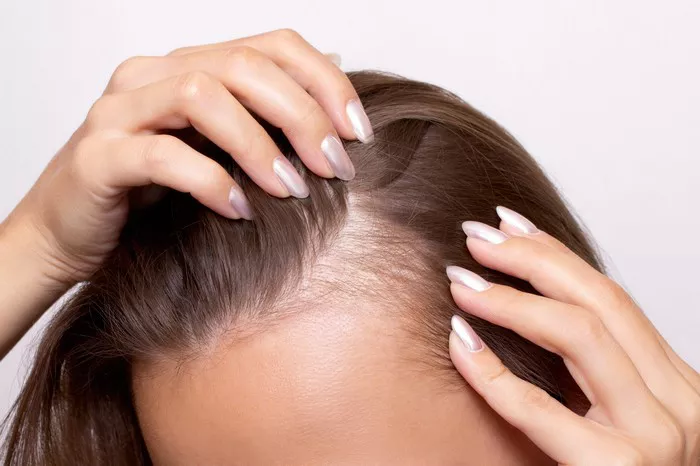
Red light therapy for hair loss, also known as low-level light therapy (LLLT), has surged in popularity — promoted by dermatologists, marketed on social media, and sold directly to consumers as a non-invasive alternative to drugs and surgery. But amid the hype, many are asking: does it really work?
At DCReport, we investigated the evidence. Our review of clinical studies and interviews with hair restoration specialists shows that while red light therapy is not a miracle cure, it can be effective for many users — provided it is used correctly and consistently.
What Is Red Light Therapy?
LLLT uses specific wavelengths of red or near-infrared light to stimulate cellular activity. In hair restoration, the therapy aims to energize weakened hair follicles, increase scalp blood flow, and reactivate follicles in a dormant phase. Research has focused primarily on androgenetic alopecia, the most common form of hair loss in men and women.
FDA Clearance: What It Means
In the U.S., red light therapy devices for hair regrowth are regulated as Class II medical devices. FDA clearance indicates that a device has:
- Passed the 510(k) review process
- Demonstrated safety and intended use comparable to existing devices
- Met standards for light output, electrical safety, labeling, and manufacturing
It is important to note that FDA clearance confirms safety, not guaranteed results — a distinction often blurred in marketing materials. Unlike FDA-approved high-risk products, cleared devices do not require extensive trials to prove effectiveness.
Clinical Evidence Supports Hair Growth
Peer-reviewed studies demonstrate that FDA-cleared LLLT devices can significantly improve hair density and thickness with consistent use over several months. Results vary per individual and are typically gradual.
Dr. Samer Muala, a hair restoration physician and founder of HimAndHair.com, emphasized the importance of clinical data. “When devices are properly designed and clinically tested, we see real, measurable improvements in hair growth,” he said. “Randomized and placebo-controlled trials show that FDA-cleared LLLT devices can safely stimulate follicles and increase hair density. I only recommend devices backed by peer-reviewed studies, like those from Apira Science published in Lasers in Surgery and Medicine.”
Other brands, such as Capillus and iRestore, also cite peer-reviewed research, but Dr. Muala warns that some companies claim “clinically proven” based on customer surveys rather than rigorous trials. He stresses that outcomes are strongest when users begin treatment early and follow protocols closely.
Best Results Come From Combination Therapy
Clinical experts agree that red light therapy works best when paired with other hair restoration methods. “LLLT enhances results for treatments such as minoxidil, finasteride, PRP therapy, and hair transplants,” Dr. Muala noted. “It improves scalp health and follicle responsiveness, helping other treatments work more effectively.”
Increasingly, hair restoration practices adopt this combination approach, using LLLT to support long-term follicle health rather than as a standalone solution.
A Drug-Free Alternative
For those wary of medications or surgery, red light therapy offers a non-invasive, drug-free option. Frank DeMartin, CEO of Apira Science, said, “Red light therapy provides clinically proven technology without the side effects or downtime of drugs and surgery. While results vary, studies show most participants experience regrowth — sometimes up to 100% in controlled trials.”
Consumer interest has grown alongside demand for safe, at-home solutions, particularly for early intervention.
The Bottom Line
Red light therapy can work, particularly for early to moderate hair loss, when FDA-cleared devices are used consistently and as part of a realistic treatment plan. It is not a magic cure and may not restore a full head of hair for everyone.
However, evidence shows that it is:
- Safe when FDA-cleared
- Backed by clinical research
- Most effective when combined with other treatments
In a market filled with exaggerated claims, red light therapy occupies a credible middle ground — more scientifically supported than cosmetic gimmicks, less definitive than surgical intervention. For consumers, the takeaway is clear: skepticism is healthy, but outright dismissal may be premature. When used correctly, red light therapy can be a meaningful part of hair restoration.
