
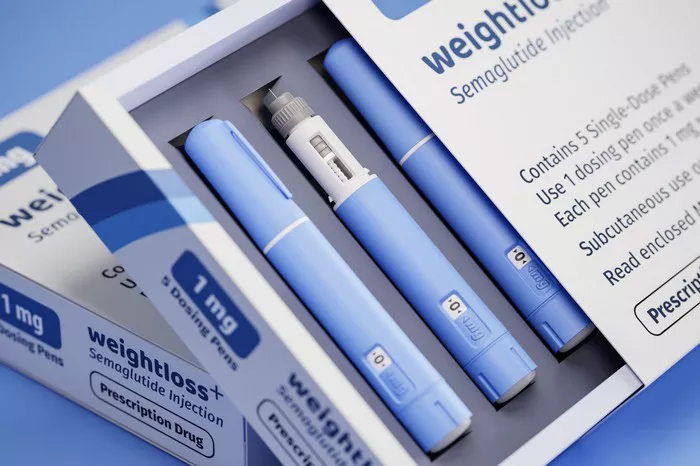
West Virginians are among the top spenders in the United States when it comes to prescription weight loss medications, including the popular GLP-1 drug Ozempic. A recent study shows that the state ranks second nationally in terms of the percentage of household income devoted to these drugs, tied with Louisiana and trailing only Mississippi.
The study highlights the steep costs associated with these treatments. “At $5,988 per year ($499 per month), the median household would spend 9.8% of income out of pocket for a 2 mg dose,” researchers noted. Even lower-dose prescriptions, costing $349 per month, still account for nearly 7% of household income, illustrating the financial strain these medications can create.
GLP-1 drugs like Ozempic have gained popularity for their effectiveness in helping users lose weight, but affordability remains a major concern. Nationally, 58% of individuals who currently use weight loss medications report having difficulty paying for them, with many delaying doses or discontinuing treatment altogether.
Awareness of these drugs is also rising. According to the study, 55% of Americans who are aware of weight loss medications said they would want to take them if they were fully covered by insurance. This indicates strong demand, but cost continues to be a barrier for most users.
Experts suggest that the high spending on weight loss drugs reflects both the effectiveness of these medications and the intense public interest in weight management solutions. “Even households with moderate incomes are making significant sacrifices to access these treatments,” the study authors noted.
The findings underscore the broader challenges Americans face when trying to afford prescription weight loss drugs. As demand for GLP-1 medications grows, policymakers, insurers, and healthcare providers may need to consider ways to make these treatments more accessible without placing undue financial pressure on households.
