
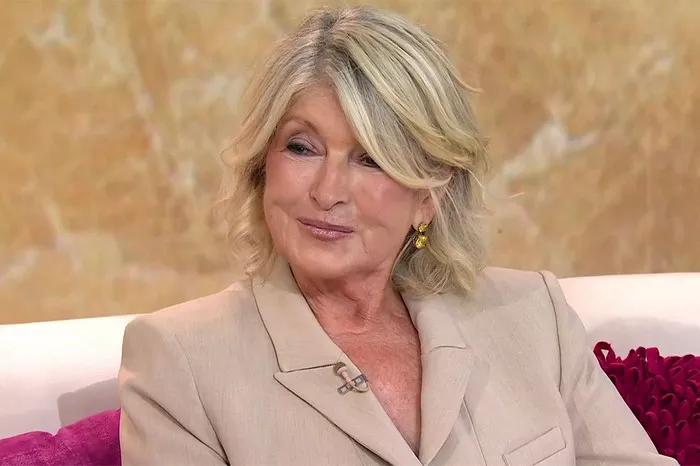
Martha Stewart, the 84-year-old lifestyle icon, recently addressed persistent rumors about plastic surgery with a clarity and directness that stood out even in a world fixated on celebrity appearances. Stewart’s latest comments not only reaffirmed her past statements but also sparked broader conversations about aging, beauty standards, and public expectations of women.
Stewart’s Statement: No Surgery, Just Facts
In her recent remarks, Stewart was unequivocal: she has never undergone plastic surgery. While she has previously denied cosmetic procedures, this time she offered a straightforward, unembellished response.
She also clarified a detail that often circulates inaccurately online. Years ago, Stewart required stitches after a dog-related injury, which a plastic surgeon performed. “It wasn’t cosmetic. It wasn’t elective,” Stewart explained. She does not categorize this procedure as plastic surgery, despite widespread social media speculation.
Transparency About Skincare and Treatments
Stewart has never hidden the care she takes in maintaining her appearance. She has openly discussed skincare routines, dermatology visits, noninvasive treatments, lasers, and her disciplined approach to self-care. She has also acknowledged using Botox and fillers in the past, building businesses around skincare and wellness.
What Stewart resists, however, is the assumption that her youthful appearance at 84 must be the result of surgical intervention. Her stance challenges the simplistic narrative that aging gracefully is solely the product of cosmetic procedures.
Why Her Appearance Draws Attention
The fascination with Stewart’s looks may reveal more about societal discomfort with aging, particularly for women, than about Stewart herself. Cultural expectations often frame older men as “distinguished,” while women face scrutiny and demands for explanation. Stewart’s visible, confident presence seems to unsettle some observers precisely because she defies these norms.
Aging Without Apology
Perhaps most striking is Stewart’s unapologetic attitude. She does not seek validation, soften her message, or attempt to conform to public expectations. She simply presents her truth and continues her work, remaining active in business, media, and public life.
The Broader Conversation
Stewart’s statements underscore a persistent tension in society’s relationship with aging. Her refusal to justify her appearance challenges assumptions about female aging and the need for women to explain themselves. While Stewart is not campaigning for any particular stance on cosmetic procedures, her example highlights that aging gracefully can reflect consistency, discipline, and self-care rather than surgical intervention.
In a culture obsessed with youthful appearances, Martha Stewart’s transparency—and her refusal to explain herself further—remains quietly revolutionary.
