
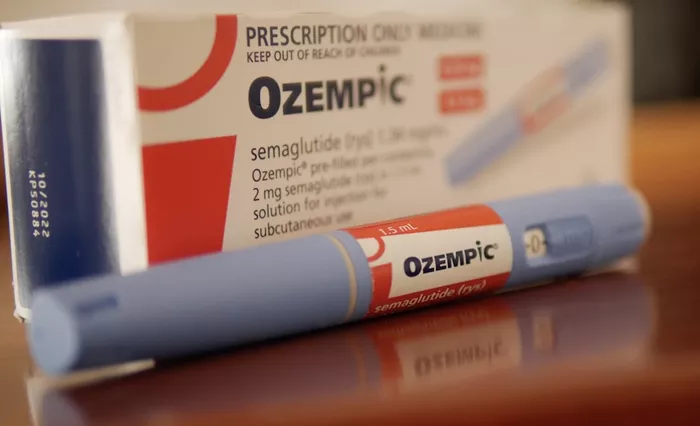
For years, Mary Bucklew, a 75-year-old retiree from Ocean View, Delaware, had struggled to lose weight, trying everything from daily walks to countless diets. Despite her efforts, only minimal weight loss followed, which quickly crept back on. That all changed in 2023 when her body mass index (BMI) surpassed 40, marking the onset of severe obesity. Her nurse practitioner recommended a new drug, Ozempic, which was covered by her Medicare Advantage plan, despite Bucklew not having diabetes. For just a $25 copay, Bucklew began her journey with the medication.
The results were remarkable. Over six months, she shed 25 pounds, found herself more energetic, and even began walking and biking more. However, her progress came to a halt when her Medicare plan notified her that it would no longer cover Ozempic, leaving Bucklew as part of a larger trend among seniors who experience the same challenges. Many older adults who start on GLP-1 medications, like Ozempic, later discontinue them, resulting in weight gain and a loss of other health benefits such as improved blood pressure and cholesterol levels.
The rising popularity of GLP-1 medications such as semaglutide (Ozempic, Wegovy, Rybelsus) and tirzepatide (Mounjaro, Zepbound) has revolutionized treatments for conditions like Type 2 diabetes and obesity. These medications have even been approved for treating kidney disease, sleep apnea, and preventing heart attacks and strokes. Despite their effectiveness, many older adults find themselves stopping treatment after a short period due to factors like side effects, cost, and lack of long-term insurance coverage.
Research highlights that nearly 60% of Americans 65 and older with diabetes stop using semaglutide within a year. For those without diabetes but managing obesity, the discontinuation rate is even higher, at nearly 65%. Side effects such as gastrointestinal issues—including nausea, vomiting, and bloating—can make continued use challenging. Additionally, the medications sometimes lead to muscle loss, which, for seniors, can result in frailty, falls, and fractures.
Many patients, like 79-year-old Linda Burghardt from Great Neck, New York, initially try medications like Wegovy with hopes of improving their mobility or reducing pain. However, after enduring severe stomach upset, Burghardt had to stop the treatment. Others, such as 78-year-old Bill Colbert, a medieval combat enthusiast, experienced muscle weakness that prevented them from engaging in hobbies they cherished.
The muscle loss caused by GLP-1 medications, which can lead to accelerated frailty in older adults, is another critical concern. While the drugs help reduce fat, studies show that a significant portion of the weight loss is from lean mass, including muscle and bone. Experts stress the importance of strength training and proper nutrition to mitigate these effects.
Another major obstacle for seniors is the cost of these drugs. While the Biden administration’s recent actions cap out-of-pocket prescription costs for Medicare beneficiaries, the price of GLP-1 medications remains high for many. Coverage limitations, such as the prohibition of weight loss drugs under Medicare Part D, further prevent older patients from accessing these treatments long-term. A shift in policy could provide relief, but key details are still being debated.
As Bucklew continues her treatment with a new medication, Zepbound, her journey with GLP-1s is far from over. After three months, she hasn’t experienced significant weight loss, but she remains hopeful. “I’ll stay the course and give it a shot,” she said, determined to keep fighting for better health despite the challenges.
With experts emphasizing that obesity is a disease that significantly shortens lifespan, many argue that Medicare should expand coverage for anti-obesity medications to ensure that seniors can receive the treatment they need. However, the potential for increased insurance premiums and ongoing questions about long-term effects highlight the complexities of such a decision.
For now, older adults like Bucklew continue to navigate a complicated healthcare landscape, where breakthrough treatments are often inaccessible or unsustainable in the long run.
