
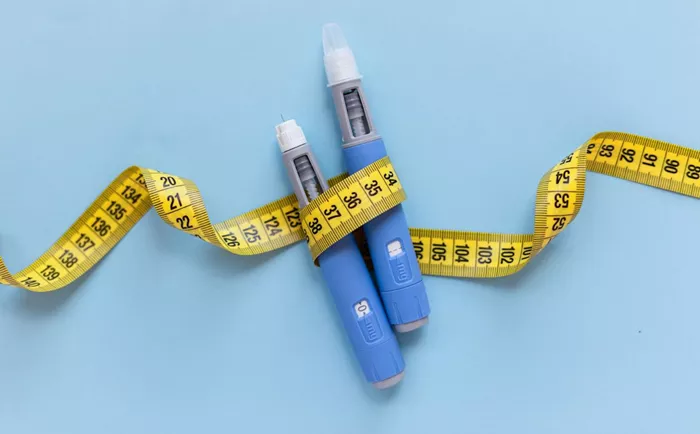
Weight-loss injections such as Ozempic and Mounjaro could offer an unexpected benefit for a specific group of breast cancer patients, according to new research that highlights the role of an often-overlooked hormone produced in fat tissue.
Scientists led by Dr Joyce Slingerland at Georgetown University have found that estrone — a form of estrogen generated in body fat — may significantly increase the risk of death from breast cancer in postmenopausal women with obesity. The findings suggest that drugs from the GLP-1 class, which are widely used for weight loss, could potentially help reduce that risk by lowering estrone levels.
Dr Slingerland analysed data from women diagnosed with estrogen receptor-positive (ER-positive) breast cancer, the most common and deadliest form of the disease among postmenopausal women. Her research showed that, in women with obesity after menopause, estrone becomes the primary driver of tumor growth. This contrasts with premenopausal women, whose dominant estrogen is 17β-estradiol.
Estrone is produced in fat tissue and can bind to certain proteins to activate genes that trigger inflammation. Dr Slingerland’s team found that elevated estrone levels fuel intense inflammatory activity, setting off a chain reaction that causes precancerous changes and switches on genes that help cancer thrive. There is also evidence that estrone-related inflammation may weaken the immune system’s ability to detect and destroy cancer cells.
Based on these findings, Dr Slingerland believes that clinical studies examining the effects of GLP-1 drugs in women with ER-positive breast cancer who have obesity are a “logical and compelling next step.”
“The GLP-1 drugs have revolutionised weight loss,” she said. “Because of estrone’s powerful inflammatory effects in fat, there’s real potential that, by inducing weight loss, GLP-1 drugs can pump the brakes on estrone’s cancer-fuelling behaviour.”
Experts caution, however, that more research is needed before such medications can be recommended as part of cancer care. Dr Kotryna Temcinaite, senior research and impact communications lead at the charity Breast Cancer Now, noted that around 8 per cent of breast cancers in the UK are linked to being overweight or obese.
“Here, researchers highlight that the different forms of the hormone oestrogen present before and after menopause could be behind this,” she said. “Oestrogen is what the most common type of breast cancer, called ER-positive, relies on to grow. And people living with obesity have much higher oestrogen levels.
“We now need to better understand how different weight-loss approaches — including medications, physical activity and dietary changes — could help to reduce oestrogen levels, either alongside breast cancer treatment or to prevent the disease.”
Dr Temcinaite added that further studies are essential to determine whether weight-loss drugs have lasting effects and whether they can meaningfully reduce breast cancer deaths.
While the research does not yet change clinical practice, it opens a promising avenue for exploring how popular weight-loss treatments might one day play a role in improving outcomes for a high-risk group of breast cancer patients.
