
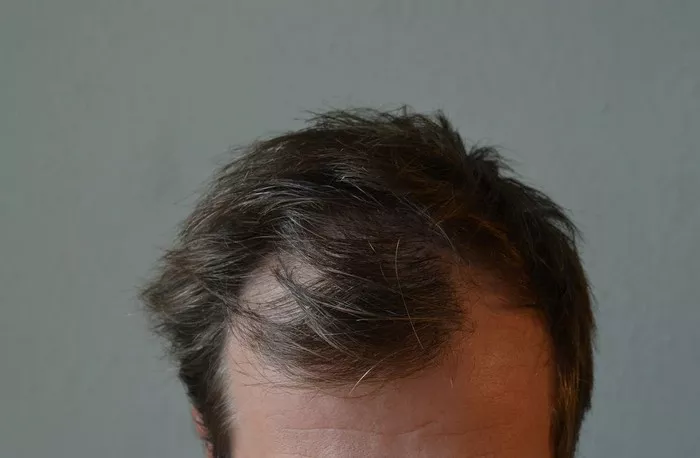
As the number of people experiencing hair loss in South Korea climbs toward an estimated 10 million, ultra-low-cost hair loss care products priced at 5,000 Korean won or less are rapidly entering the market. Major retailers such as Daiso and E-mart are leading the trend, reflecting a growing belief among consumers that preventing hair loss is more important than treating it.
Once viewed primarily as a middle-aged men’s issue, hair loss is increasingly affecting people in their 20s and 30s. This shift has fueled demand for affordable, small-capacity products that are easy to try and convenient to carry, particularly for travel or gym use.
E-mart recently partnered with LG Household & Health Care’s hair loss-focused brand Dr. Gruut to launch five products, including shampoo and conditioner, now available in offline stores. These items are “experience kit” versions of existing Dr. Gruut products, downsized from their original 30,000–50,000 won range to about 50 milliliters. Priced at 4,950 won each, the products have sold more than 3,000 units since their release on the 30th of last month through the 15th.
Since early last month, E-mart has also introduced reduced-size versions of shampoo and treatment products from the hair loss brand Gravity. These 70-milliliter items are likewise priced at 4,950 won, broadening consumers’ access to specialized hair care at entry-level prices.
Daiso, meanwhile, has moved beyond simply offering smaller versions of existing products by collaborating directly with hair loss brands to develop new low-cost lines. In September last year, it teamed up with ModaModa to launch seven items under the “Blue Biotin Scalp” series—including shampoo, treatment, and scalp ampoules—priced entirely under 5,000 won. The products sold out online immediately after launch.
Earlier this month, Daiso also partnered with TS Trillion to release five hair loss care items, including shampoo, treatment, and tonic, each priced at 5,000 won.
Industry experts say hair loss brands are increasingly turning to major distributors to expand their customer base as the affected population skews younger. Factors such as Westernized diets, extreme dieting, high stress levels, and lack of sleep have contributed to a sharp rise in hair loss among people in their 20s and 30s.
According to the Health Insurance Review & Assessment Service, 39,079 patients in their 20s and 51,519 in their 30s received hospital treatment for hair loss in 2024, together accounting for 37.6% of all 241,217 hair loss patients nationwide. Nearly two out of five patients now fall within these younger age groups.
These figures only include cases covered by health insurance, such as alopecia areata. If age-related hair loss or cosmetic treatments were factored in, the total number of sufferers would be significantly higher.
As the number of people affected grows, so does the market. KB L Research and Global Hair & Scalp Care Market estimates put the domestic market for hair loss-related products—including shampoos, conditioners, oils, treatments, and medications—at 930 billion won last year.
A distribution industry source noted that consumer priorities are also shifting. “For hair loss products, how easily one can start using them has become more important than how effective they are,” the source said, underscoring why low-cost, trial-sized products are gaining traction across major retail chains.
