
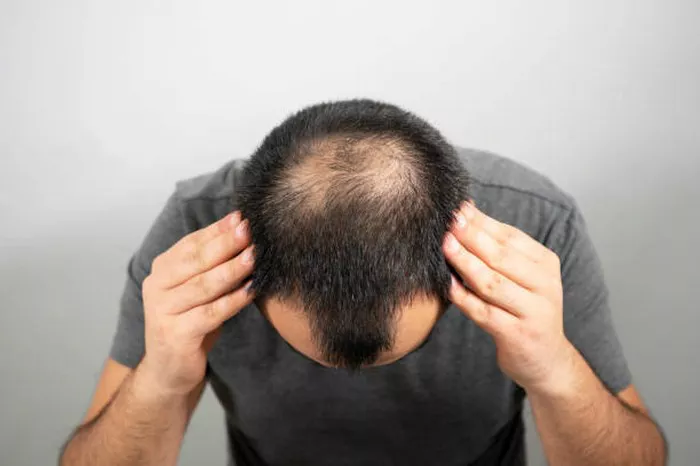
Hair loss can create a self-perpetuating cycle: stress triggers shedding, shedding increases stress, and many people turn to alternative solutions when conventional treatments seem slow or limited. One remedy gaining attention recently is rosemary oil, which has become a viral sensation on TikTok as a natural solution for thinning hair. Users claim it helps regrow lost strands and promotes thicker, longer hair. But experts urge a more measured view.
The Appeal of Rosemary Oil
Rosemary oil, an essential oil extracted from the rosemary plant, is commonly found in hair and skincare products. Its appeal lies in its anti-inflammatory and antimicrobial properties, which may support scalp health by improving circulation and reducing inflammation. Combined with growing skepticism toward chemical-heavy hair treatments, rosemary oil has emerged as a modern take on a traditional home remedy.
However, dermatologists caution that hair loss is rarely straightforward. “Hair loss is biologically complex and emotionally charged, which makes it especially vulnerable to oversimplified or exaggerated claims,” said Oma Agbai, associate clinical professor of dermatology at the University of California, Davis, and director of Multicultural Dermatology and Hair Loss Disorders. While some people may see a modest improvement, she notes, the effects are “not equivalent to what we see with more effective, evidence-based treatments.”
What the Research Shows
Currently, there is no strong scientific evidence that rosemary oil can reliably regrow hair. Some studies suggest it may offer a mild benefit for androgenetic alopecia, the most common form of hair loss, which includes male and female pattern baldness.
“Androgenetic alopecia is partly driven by hormones called androgens. It’s not magic,” explained Adam Friedman, professor and chair of dermatology at George Washington University. High levels of dihydrotestosterone (DHT), or heightened sensitivity to it, can shrink hair follicles, leading to thinner hair and shorter growth cycles. Treatments that reduce DHT levels can slow this process.
Laboratory studies indicate rosemary oil may weakly inhibit the enzyme that converts testosterone to DHT or reduce DHT’s ability to bind to hair follicle receptors. While promising, these effects are limited. There is no consistent evidence that rosemary oil significantly reduces hair shedding or promotes hair growth across other types of hair loss, including stress-related telogen effluvium, autoimmune alopecia areata, or scarring alopecia.
The Study Behind the Hype
Much of the online buzz traces back to a 2015 randomized study comparing topical rosemary oil with 2% minoxidil (Rogaine) in men with androgenetic alopecia. After six months, both treatments showed similar results, fueling social media enthusiasm.
Experts, however, urge caution. The study had just 100 participants, lacked a placebo group, and followed patients for only a short period—limitations that make it difficult to determine the true efficacy of rosemary oil. By contrast, minoxidil is supported by decades of clinical research demonstrating its ability to stimulate hair growth in some users.
Should You Try Rosemary Oil?
Dermatologists do not dismiss rosemary oil entirely. It may improve scalp health or provide mild benefits, especially when used alongside evidence-based treatments. However, it should not be considered a cure or a replacement for proven options.
Hair loss is typically multifactorial, meaning there is rarely a single cause or solution. Rosemary oil may complement a broader hair care routine, but on its own, it is unlikely to deliver significant hair regrowth.
