
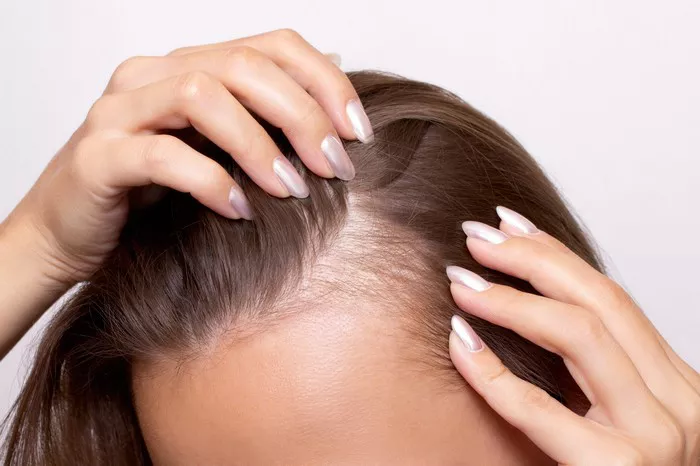
Emerging research suggests that your drinking habits could be affecting more than just your morning energy—your hair may also be at risk. A recent scientific analysis involving over 61,000 mostly female participants found a notable correlation between hair thinning and certain dietary habits, including alcohol consumption.
Published in Nutrition and Health, the study reviewed 17 prior studies examining nutrition and hair loss. Researchers found that higher intake of sugary drinks and alcohol was associated with increased hair shedding. Conversely, higher levels of key nutrients such as vitamin D and iron appeared to lower the risk of developing alopecia, the medical term for hair loss.
Why alcohol may impact hair health
While the research stops short of proving a direct cause-and-effect relationship, experts offer several explanations for the link. Dr. Gary Goldenberg, assistant clinical professor of dermatology at Icahn School of Medicine at Mount Sinai Hospital, explains, “Heavy alcohol consumption can contribute to poor absorption of vitamins and nutrients essential for hair growth.”
Nutritionist Keri Gans, RDN, adds that alcohol may not directly cause hair loss but can indirectly contribute by increasing inflammation, disrupting sleep, and placing stress on the liver—all factors that can affect hair health. Dr. Ife J. Rodney, founding director of Eternal Dermatology + Aesthetics, emphasizes that moderate social drinking is unlikely to cause significant hair loss, but excessive consumption that interferes with a balanced diet may increase the risk.
Other common causes of hair loss
Hair shedding can result from a range of factors beyond alcohol, particularly in women. Dr. Goldenberg notes that iron and vitamin D deficiencies, hormonal changes, and genetics all play a role. Even everyday styling choices, such as tight hairstyles, can lead to traction alopecia, according to the American Academy of Dermatology. On the positive side, consuming adequate protein may support healthy hair growth.
What to do if you notice hair loss
Experts recommend consulting a dermatologist if hair loss persists. Dr. Goldenberg explains that a dermatologist can perform blood tests to identify nutrient deficiencies and provide a personalized treatment plan. Joshua Zeichner, MD, director of cosmetic and clinical research at Mount Sinai Hospital, cautions against assuming alcohol is the sole culprit, noting that patients who never drink can still experience hair loss.
Several at-home strategies may support hair health, including topical treatments like minoxidil, red light therapy devices designed to stimulate growth, and targeted vitamins or supplements to address deficiencies.
Ultimately, while alcohol may play a role in hair shedding for some, maintaining overall health, proper nutrition, and consulting a dermatologist remain the most reliable ways to protect your strands.
