
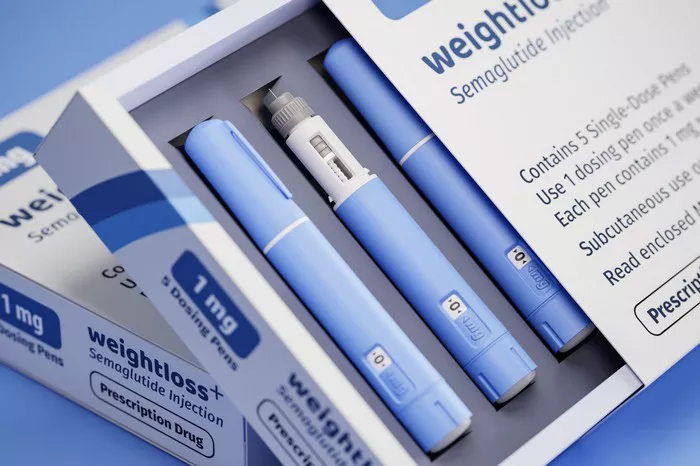
Prescriptions for GLP-1 receptor agonists (GLP-1 RAs) now account for more than 7% of all prescriptions written in the United States, underscoring the explosive growth of the drug class that has transformed diabetes and weight-loss treatment, according to a new study from healthcare data firm Truveta.
The study found that nearly 2.2 million patients were prescribed a GLP-1 RA between January 2019 and December 2025, generating almost 11.2 million total prescriptions over that period. Among prescriptions where the intended use was known, 72.7% were written for diabetes treatment, while 27.3% were for obesity.
Prescribing momentum remained strong toward the end of 2025. From September through December, overall GLP-1 RA prescribing rates rose by 5%, even as first-time prescribing declined by 6.6% over the same period, suggesting the market is increasingly driven by ongoing users rather than new starts.
Tirzepatide—marketed as Mounjaro for diabetes and Zepbound for obesity—emerged as the most prescribed medication in both the anti-diabetic and anti-obesity categories. It also recorded the largest increase in total prescriptions from September to December 2025. Earlier in 2025, tirzepatide surpassed semaglutide, sold as Ozempic and Wegovy, in anti-diabetic prescription rates.
The study also examined dispensing patterns and found that between 2019 and 2025, 70.7% of GLP-1 RA prescriptions were filled within 60 days of being written, indicating relatively high follow-through among patients.
Industry analysts expect the market’s rapid expansion to continue. UBS estimates that global sales of GLP-1 drugs could reach $126 billion by 2029, with roughly 40 million people worldwide using the medications by that time.
Originally developed to treat type 2 diabetes, GLP-1 drugs have surged in popularity in recent years following FDA approval for weight loss and mounting evidence of their effectiveness. Spending by patients, government programs and insurers on GLP-1 medications jumped more than 500% from 2018 to 2023, rising from $13.7 billion to $71.7 billion, according to a joint study by the American Medical Association and the Centers for Disease Control and Prevention.
The market’s growth is being further fueled by new formulations. The FDA recently approved Novo Nordisk’s once-daily oral version of Wegovy, which can deliver weight-loss results comparable to the injectable form. Eli Lilly, a key competitor, expects its own oral GLP-1 pill to receive FDA approval by the second quarter of 2026, potentially broadening access and accelerating adoption even further.
