
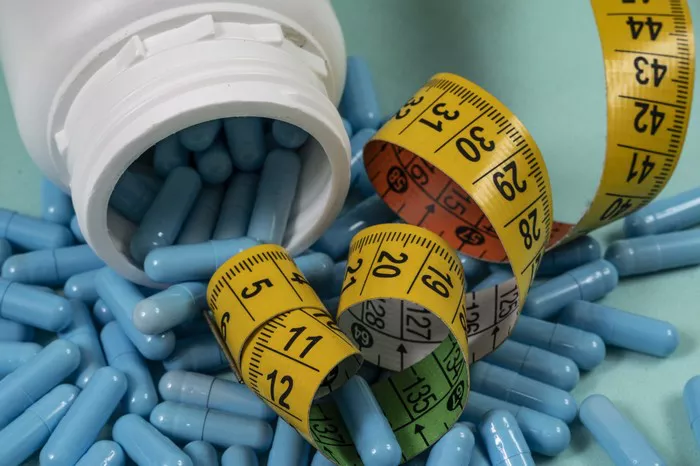
What began with the popularity of Ozempic has evolved into a new era in weight-loss treatment, as blockbuster GLP-1 drugs like Wegovy and Zepbound transform the fight against obesity.
But experts say these medications are just the beginning. A new wave of treatments—designed to mimic multiple satiety hormones and offer more flexible dosing options—are in development.
“There’s a huge pipeline of new medications that are coming,” said Dr. Melanie Jay, director of the NYU Langone Comprehensive Program on Obesity Research, in an interview with TODAY.com.
The current generation of GLP-1 drugs is already having a significant impact, particularly as prices decrease and more patients gain access, added Dr. Shauna Levy, medical director of Tulane University’s Bariatric and Weight Loss Center in New Orleans. High-profile users, including Oprah Winfrey, have credited these medications with achieving lasting weight loss.
According to Truveta Research, GLP-1 drugs now account for more than 7% of all prescriptions in the U.S. Yet experts caution that additional options are necessary, as these drugs require long-term use. Studies show that stopping treatment can lead to rapid weight regain.
“Not everybody responds to GLP-1,” Levy explained. “Over time, someone who responded well to Wegovy may need a more powerful or different-acting medication years down the line.”
Dr. Ania Jastreboff, director of the Yale Obesity Research Center, likened the situation to other chronic diseases: “Just as there are many classes of medications for diabetes or high blood pressure, there will be many classes targeting different mechanisms of obesity.”
Emerging Treatments: Amylin Analogs and Combination Therapies
Next-generation therapies aim to build on GLP-1’s success by mimicking additional hormones, such as amylin, which signals fullness to the brain after eating.
“They are all hormones that communicate to our brain—how hungry we are, how full we are,” said Jastreboff. Dr. Jay and Dr. Levy emphasized that combining GLP-1 and amylin could create a potent synergistic effect, slowing stomach emptying, reducing appetite, and acting on multiple organs.
Currently, no amylin analogs are FDA-approved for weight loss, but several candidates are in late-stage trials:
- CagriSema (Novo Nordisk): A once-weekly injection combining an amylin analog with semaglutide, the active ingredient in Ozempic and Wegovy. Trials showed an average 20% weight loss over 16 months, compared with 15% for Wegovy alone. FDA approval was filed in December 2025.
- Amycretin (Novo Nordisk): Mimics GLP-1 and amylin, available as a daily pill or weekly injection. Early studies indicate weight loss of 10–14% for patients with Type 2 diabetes.
- Eloralintide (Eli Lilly): Weekly amylin injection producing up to 20% weight loss in phase 2 trials, now moving to phase 3.
Triple-Action Drugs: Retatrutide
Some new drugs take hormone therapy a step further. Retatrutide, a triple-agonist from Eli Lilly, targets GLP-1, GIP, and glucagon. Early trials show nearly 29% average weight loss over 16 months, roughly 71 pounds. Side effects include nausea, diarrhea, and fatigue. Experts anticipate FDA approval around 2027.
“Retatrutide is a blockbuster in the works,” Jay said, noting its potential for people with high BMI. Levy cautioned, however, that such dramatic weight loss may be unnecessary for those with lower BMI. Both warn against unapproved online versions of the drug.
Expanding Accessibility: Pills and Monthly Injections
Patients may soon have alternatives to weekly injections:
- GLP-1 Pills: The once-daily Wegovy pill, approved in January 2026, offers a needle-free option at $149 per month out-of-pocket. Eli Lilly’s Orforglipron pill, expected FDA decision in April 2026, can be taken anytime without food restrictions.
- Monthly Injections: Long-acting monthly injections, such as Amgen’s MariTide and Pfizer-backed Metsera candidates, aim to simplify treatment while maintaining effectiveness, showing up to 20% weight loss in early trials.
As obesity continues to challenge public health, these emerging therapies could reshape treatment options, offering patients more personalized and powerful tools for long-term weight management.
