
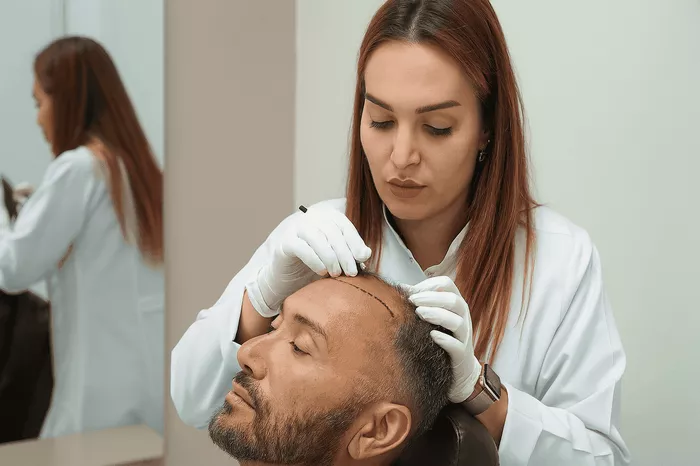
As the global hair restoration market experiences rapid expansion, a concerning trend is emerging: the rise of under-regulated providers, often referred to as “dark clinics.” These operations pose a significant threat to patient safety, market credibility, and the ability of legitimate clinics to compete fairly.
Low-Standard Practices on the Rise
Industry forecasts estimate the global hair transplant market will surge from approximately $9.2 billion in 2025 to over $49 billion by 2034, reflecting a compound annual growth rate exceeding 20%. This growth is driven by increasing demand, technological innovation, and broader social acceptance of aesthetic procedures.
However, it also creates fertile ground for opportunistic, low-standard providers. In South Africa, temporary clinics offering high-volume, low-cost procedures are becoming increasingly visible. Many of these providers lack proper surgical theatre standards, neglect rigorous sterilisation protocols, and provide minimal post-operative care without qualified medical oversight. These lapses jeopardize patient safety and erode trust, harming the reputation of the sector as a whole.
For legitimate clinics, demonstrating long-term commitment and regulatory compliance is essential. Registered practices operating within established frameworks signal professionalism and accountability, reassuring patients and business partners alike.
Compromised Quality and Patient Risks
Aggressive promotions and steep discounts may attract attention, but they often indicate reduced clinical standards. Clinics focused on price and volume risk complications such as over-harvesting grafts, poor implantation, scarring, and other adverse outcomes.
The consequences extend beyond individual patients. Corrective procedures increase operational costs and make it harder for reputable practices to differentiate themselves. One London-based regulated clinic reported a 43% year-on-year increase in corrective hair transplant cases in 2025, averaging nearly two repair requests per week—trends largely linked to low-quality procedures overseas or from temporary local providers.
Medical Accountability is Non-Negotiable
In South Africa, hair restoration is classified as a surgical procedure requiring the involvement of an HPCSA-registered doctor. Clinics that fail to disclose responsible practitioners face regulatory scrutiny. Without clear medical accountability, providers risk legal action, reputational damage, and declining patient confidence.
Setting the Standard for Sustainable Growth
Temporary, low-standard providers threaten the sustainability of the hair restoration sector. Ethical practices succeed by emphasizing continuity of care, consistent outcomes, and evidence-based methods. Hair restoration is not a transactional procedure—it requires thorough planning, documented case histories, and disciplined execution.
Protecting patients, ensuring successful outcomes, and maintaining market credibility demand strong operational standards, transparent credentials, and vigilant oversight. As the industry grows, providers who prioritize accountability, compliance, and reliable results will define success and set the benchmark for the future of hair restoration.
