
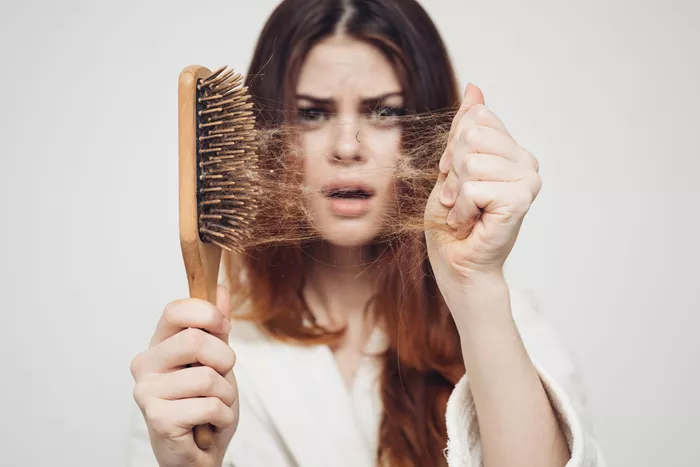
Hair thinning and hair loss have become increasingly common concerns, with Google searches for the topic rising in recent years. But how can you tell the difference between normal shedding and actual hair loss?
According to the American Academy of Dermatology, the average person loses 50 to 100 hairs per day. While lost hairs are typically replaced, this doesn’t always happen. Hair loss can occur gradually or suddenly, and its causes vary—from genetics to autoimmune disorders such as alopecia areata. Stress is another common factor; the temporary hair loss condition telogen effluvium, often triggered by trauma or stress, saw a 400% increase during the COVID-19 pandemic.
The good news is that hair loss can sometimes be reversed or slowed with proper treatment. While regrowth may require patience, several medical and over-the-counter options are available.
Getting a Hair Loss Diagnosis
Self-diagnosis is tempting, but experts emphasize consulting a professional for an accurate assessment. Doctors typically start with an exam and a series of questions about diet, lifestyle, and medical and family history.
Some cases require lab tests. Dr. Michele Green explained in 2022 that a visual inspection can diagnose most cases, but severe hair loss may necessitate lab work. In some situations, patients may be asked to provide hair samples, which can reveal whether medications or underlying health conditions are causing the loss. Autoimmune disorders, like alopecia, may also play a role.
After diagnosis, treatment may include prescription oral or topical medications, or a combination of both.
Over-the-Counter Treatments
Many commonly prescribed treatments are available over the counter. Minoxidil, the generic form of Rogaine, comes in liquid, foam, and pill formats. While generally effective in slowing hair loss and stimulating regrowth, its results can vary. Dr. Jeff Donovan of the Donovan Hair Clinic noted, “It doesn’t help everyone dramatically, but it certainly does help.”
Other popular options include hair supplements like Viviscal and Nutrafol, which provide a natural approach to hair support. Dr. Green recommends them for patients seeking non-medication alternatives.
Prescription Treatments
For more severe or persistent hair loss, physicians often prescribe medications like Propecia—the only FDA-approved oral hair loss treatment. Dr. Green commonly recommends it for men and older patients, as well as post-menopausal women experiencing hair shedding.
For younger patients with female pattern hair loss, spironolactone is often advised and has proven highly effective. Non-oral options include platelet-rich plasma (PRP) injections or microneedling, both of which use a patient’s own blood cells to stimulate hair regrowth.
If hair loss is stress-related, such as with telogen effluvium, a holistic approach may be needed, including mental health support. “Psychologists are part of the hair loss community,” Dr. Donovan said.
Potential Side Effects
Both over-the-counter and prescription treatments carry potential side effects. Women who are pregnant or breastfeeding should generally avoid these medications.
Minoxidil is usually safe, though some users report dizziness, headaches, or changes in blood pressure. Supplements like Viviscal and Nutrafol are safe for most, but those with fish or shellfish allergies should avoid them.
Prescription medications may have stronger side effects. Propecia can cause erectile dysfunction, decreased libido, or swelling in the hands and feet, while spironolactone may cause gastrointestinal issues such as nausea or diarrhea.
How Long Before Results Appear?
Hair regrowth typically takes three and a half to four months. Experts caution against excessive stress, as it can worsen hair loss.
Role of Diet and Hair Care
Diet rarely causes hair loss, though deficiencies—particularly iron—can contribute. In such cases, dietary adjustments or supplements may be recommended.
Hair washing does not cause hair loss. However, experts suggest using fragrance-free, hypoallergenic shampoos and conditioners to minimize potential allergic reactions. Shampoos claiming to regrow hair remain unproven.
