
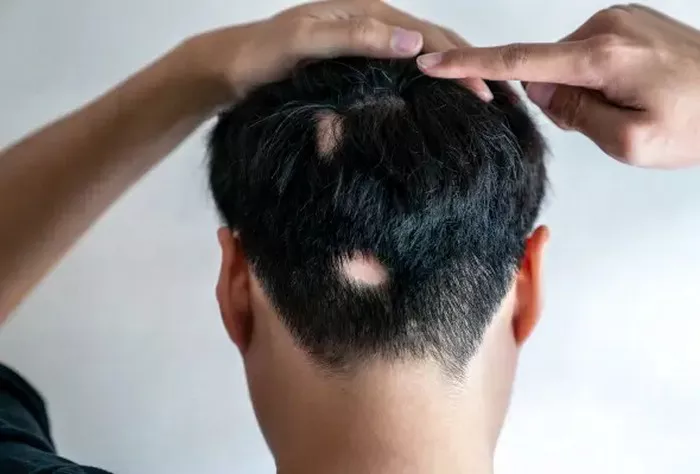
Ontario has become the first province in Canada to include Olumiant® (baricitinib) for severe alopecia areata on its public drug formulary, marking a major milestone for patients living with the immune-mediated condition. The decision makes Olumiant the first and only publicly funded treatment option available to adult patients with severe alopecia areata in the province.
Eli Lilly Canada Inc. announced the listing on Tuesday, praising Ontario’s leadership in expanding access to an effective therapy for a condition that has long lacked approved treatment options.
“We applaud Ontario for taking the lead in giving people with alopecia areata access to an effective treatment option, Olumiant,” said Mathilde Merlet, President and General Manager of Lilly Canada. “As the first and only oral medicine approved for severe alopecia areata with a Letter of Intent from the pan-Canadian Pharmaceutical Alliance, we encourage all public drug plans to move quickly so patients who have been waiting for a solution can finally receive the care they need.”
Health Canada authorized Olumiant for adult patients with severe alopecia areata on January 26, 2024. The approval was based on results from Lilly’s Phase 3 BRAVE-AA1 and BRAVE-AA2 clinical trials, which evaluated the drug’s safety and effectiveness in more than 1,200 adults with at least 50 per cent scalp hair loss, as measured by the Severity of Alopecia Tool (SALT).
Further momentum followed on October 2, 2024, when Canada’s Drug Agency (CDA-AMC) issued a positive final reimbursement recommendation for Olumiant as a first-line advanced therapy, acknowledging its potential clinical benefit for patients nationwide.
Ontario’s formulary listing comes after Lilly and the pan-Canadian Pharmaceutical Alliance (pCPA) successfully concluded pricing negotiations, formalized through a Letter of Intent on November 10, 2025. The agreement marked the first time a treatment for severe alopecia areata in Canada had been negotiated for public reimbursement through the pCPA.
Patient advocacy groups welcomed the announcement, highlighting the emotional and psychological toll of the disease.
“Alopecia areata is more than just hair loss—it can have a profound impact on a person’s mental and emotional well-being,” said Carolynne Harrison, President of the Canadian Alopecia Areata Foundation (CANAAF). “This decision offers a ray of hope to individuals and families living with severe alopecia areata, and we look forward to nationwide access to this treatment.”
Medical experts also described the listing as a significant step forward in an area of care historically marked by limited options.
“Alopecia areata is an immune-mediated condition that can severely affect quality of life,” said Dr. Jennifer Beecker, a Royal College-certified dermatologist and Research Director in the Division of Dermatology at The Ottawa Hospital. “Targeted systemic therapies such as JAK inhibitors, including Olumiant, have shown substantial clinical benefit in severe cases. Ontario’s decision signals meaningful progress toward broader public access across Canada.”
Despite approvals at the federal level and public reimbursement in Ontario, access remains uneven nationwide. In Quebec, medications prescribed for alopecia or baldness are currently listed as excluded under the province’s public drug plan (RAMQ). As a result, drugs such as Olumiant are not evaluated by the Institut national d’excellence en santé et en services sociaux (INESSS) for public reimbursement, limiting access for Quebec residents.
Lilly said it hopes to re-engage with Quebec health authorities and INESSS to reconsider the exclusion, citing the significant benefits the treatment can offer patients with this immune-related condition.
Alopecia areata is a chronic inflammatory disorder that affects people of all ages and ethnic backgrounds. The condition can range from patchy hair loss to complete loss of scalp and body hair. While the exact cause remains unclear, it is believed to stem from immune system disruptions that interfere with the hair growth cycle. Importantly, the condition is non-scarring, meaning hair follicles remain intact and regrowth is possible when the immune response is effectively managed.
Lilly Canada, established in 1938 following a landmark insulin research collaboration at the University of Toronto, said the Ontario listing reflects its broader commitment to advancing innovative treatments and improving access to care for patients with complex immune-mediated diseases.
