
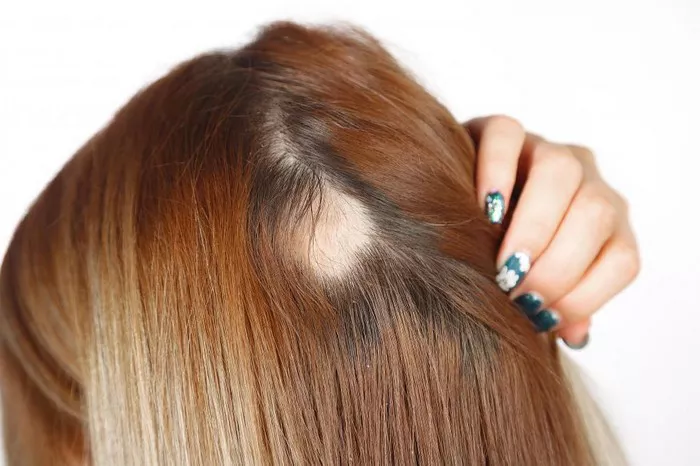
A new study published in the Journal of the European Academy of Dermatology & Venereology suggests that patients with alopecia areata (AA) who use Janus kinase inhibitors (JAKis) experience a significantly lower risk of developing major depressive disorder (MDD) and require fewer antidepressant prescriptions compared with patients who do not use these medications.
Alopecia areata, an autoimmune condition causing hair loss, has been linked to elevated rates of depression and anxiety. Despite this known psychological burden, previous research on JAKis—a class of drugs increasingly used to treat AA—has largely focused on hair regrowth rather than mental health outcomes.
To address this gap, investigators analyzed data from the TriNetX Analytics Research Network, reviewing 36,491 patients diagnosed twice with AA between January 2011 and June 2024. Patients were tracked for new-onset MDD from six months to five years after diagnosis, with comparisons made between those who initiated JAKis within six months of diagnosis and those who did not. All participants also received standard AA therapies.
Of the cohort, 1,888 patients used JAKis, while 34,603 did not. After propensity score matching to balance demographic and clinical characteristics, 1,838 JAKi users were compared to a matched nonuser group. Both groups had similar age distributions (mean ~32 years), gender ratios (approximately 40% men), racial composition, and body mass index.
The study found that JAKi users had markedly lower rates of incident MDD (3.04 vs. 7.67 per 1,000 person-years) and antidepressant use (10.23 vs. 23.18 per 1,000 person-years) over the follow-up period. Statistical analysis showed that JAKi treatment was associated with a 58% lower risk of developing MDD (adjusted hazard ratio [aHR], 0.42; 95% CI, 0.22–0.82) and a 54% lower risk of antidepressant prescription (aHR, 0.46; 95% CI, 0.32–0.67).
The protective effect of JAKis persisted over time. Risk reductions for incident MDD were significant at 3, 5, and 10 years post-treatment, while reductions in antidepressant use were observed at 1, 3, 5, and 10 years. Subgroup analyses indicated that younger adults (18–29 years), White patients, and those treated at academic medical centers benefited most in terms of MDD risk, while antidepressant use declined across a broader range of demographics, including women and non-White patients.
The study’s authors noted a key limitation: the data lacked information on AA severity, which could influence depression risk.
Overall, the findings suggest that JAK inhibitors may offer mental health benefits for patients with alopecia areata, potentially alleviating the psychological burden of the condition. The investigators concluded, “These findings indicate an association between JAK inhibitor use and a reduced psychological burden in AA.”
