
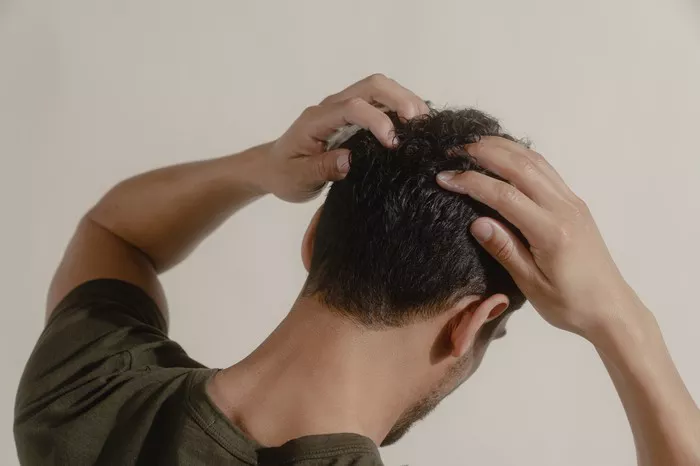
South Korea is facing an unusual but increasingly serious policy debate after President Lee Jae-myung called for hair-loss treatment to be considered part of the country’s public health insurance system. The proposal has ignited nationwide discussion over social pressure, mental health, and how far the state should go in funding non-life-threatening conditions.
In a society where appearance plays a powerful role in professional and social success, hair loss carries significant stigma. Studies show that nearly 98 percent of young South Koreans believe physical attractiveness provides clear social advantages. With around 10 million people affected by baldness in a country of 51 million, the issue is especially sensitive among young adults entering a fiercely competitive job market, where confidence and image are often seen as key to success.
This pressure has helped fuel a booming hair-care industry. In 2024, the market was worth an estimated 188 billion won, driven by demand for medicated shampoos, supplements, prescription drugs, and hair-transplant surgery. However, these treatments are costly and remain out of reach for many people on lower incomes. As a result, many men quietly try to hide hair loss through styling, hats, or private procedures, often at the cost of rising stress and anxiety.
President Lee argues that baldness is no longer merely a cosmetic concern but a growing mental-health and social issue, particularly for younger taxpayers. He has asked government officials to study whether treatments for hair loss should be partially covered by public insurance, saying the emotional toll and social disadvantage faced by people with baldness make it a “matter of survival” in modern South Korea. The idea was first raised during his 2022 election campaign and has now returned to the policy agenda.
Opposition to the proposal has been swift. Conservative politicians and medical experts warn that expanding insurance coverage could strain an already stressed healthcare system. South Korea’s national health insurance program is projected to face a 4.1 trillion won deficit by 2026, and critics argue funds should be reserved for serious illnesses such as cancer or chronic disease. Major newspapers, including the Chosun Ilbo, have described the proposal as populist and lacking sufficient consultation with taxpayers.
Health Minister Jeong Eun Kyeong has taken a more cautious position, acknowledging that hair loss can have a real impact on mental health and self-esteem, but stressing that any expansion of coverage must be backed by careful financial analysis. Supporters within the ruling party, including lawmaker Park Joo-min, say the move could reduce stigma and recognize psychological well-being as a legitimate part of public health.
As the debate continues, it has come to represent more than just a question about hair. It reflects broader tensions over how South Korea defines health, personal dignity, and social equality in a highly appearance-driven culture. Regardless of the final policy outcome, baldness has clearly moved from a private concern to a national conversation.
